
Mediterranean Confort
Project for an international, active, welcoming and highly sociable family who found in this house the perfect place to settle. Surrounded by native vegetation, bathed in natural light and with privileged views of the Sierra Calderona, the home offered from the very beginning immense potential to become a healthy, luminous and characterful living space.
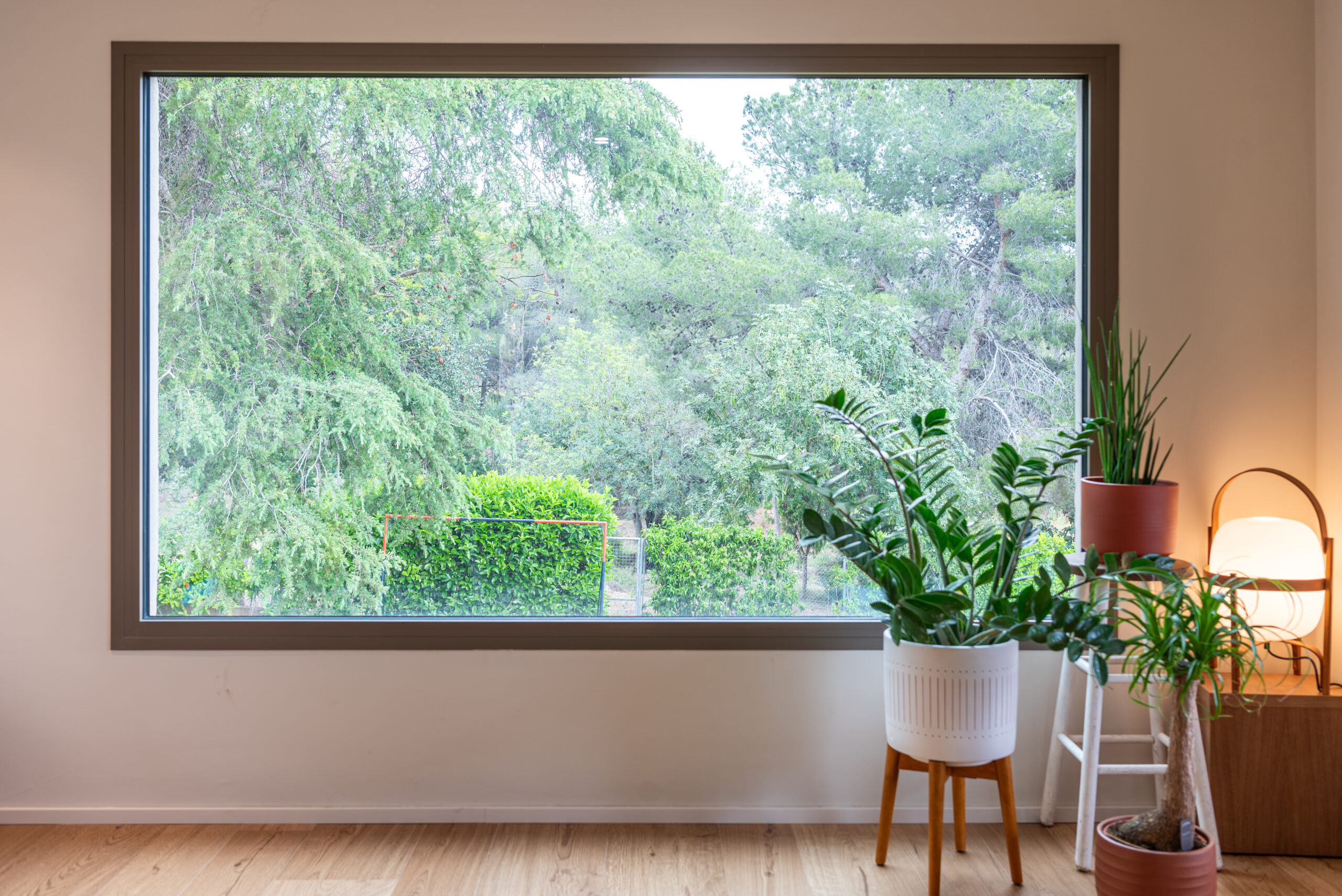
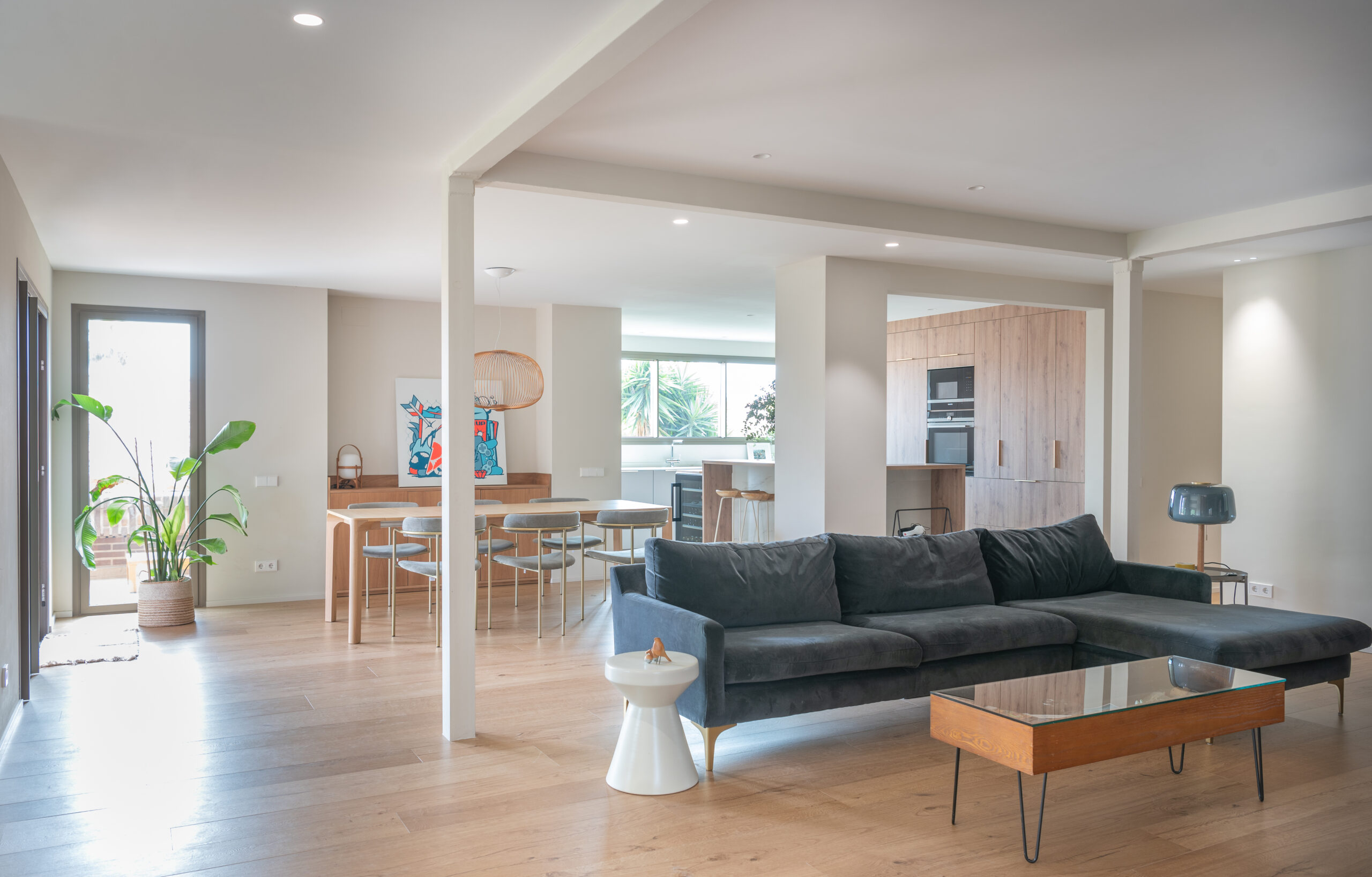
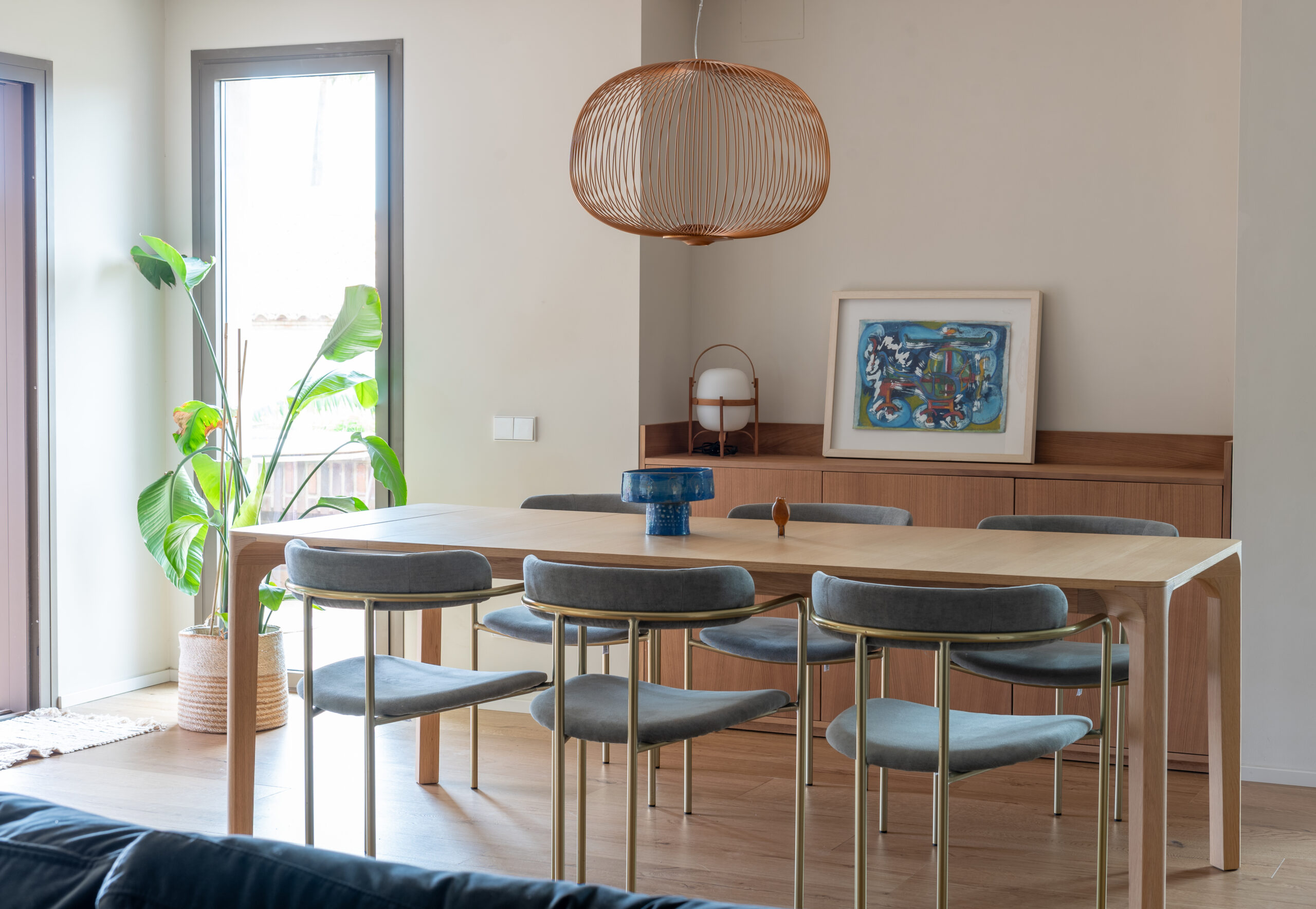
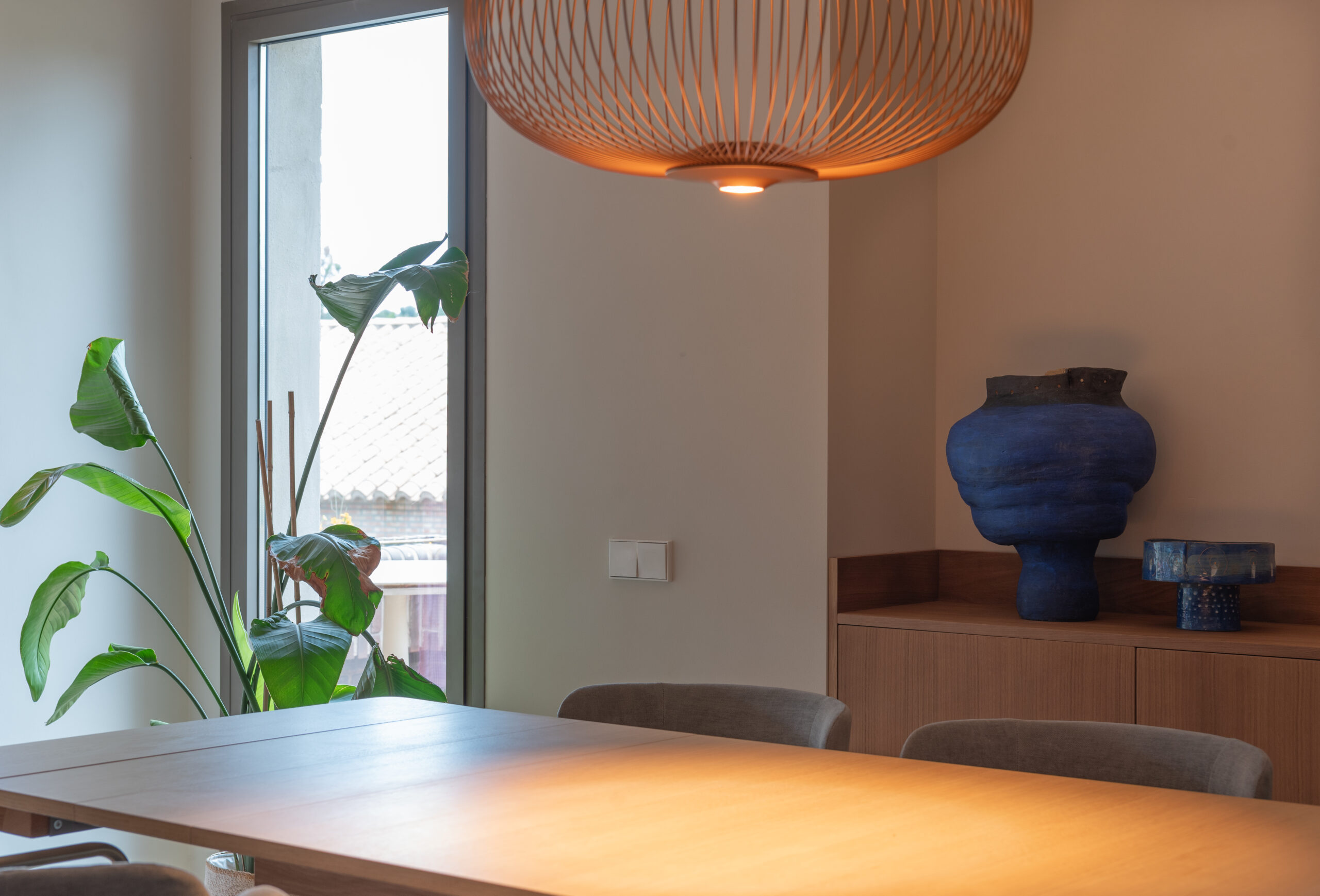
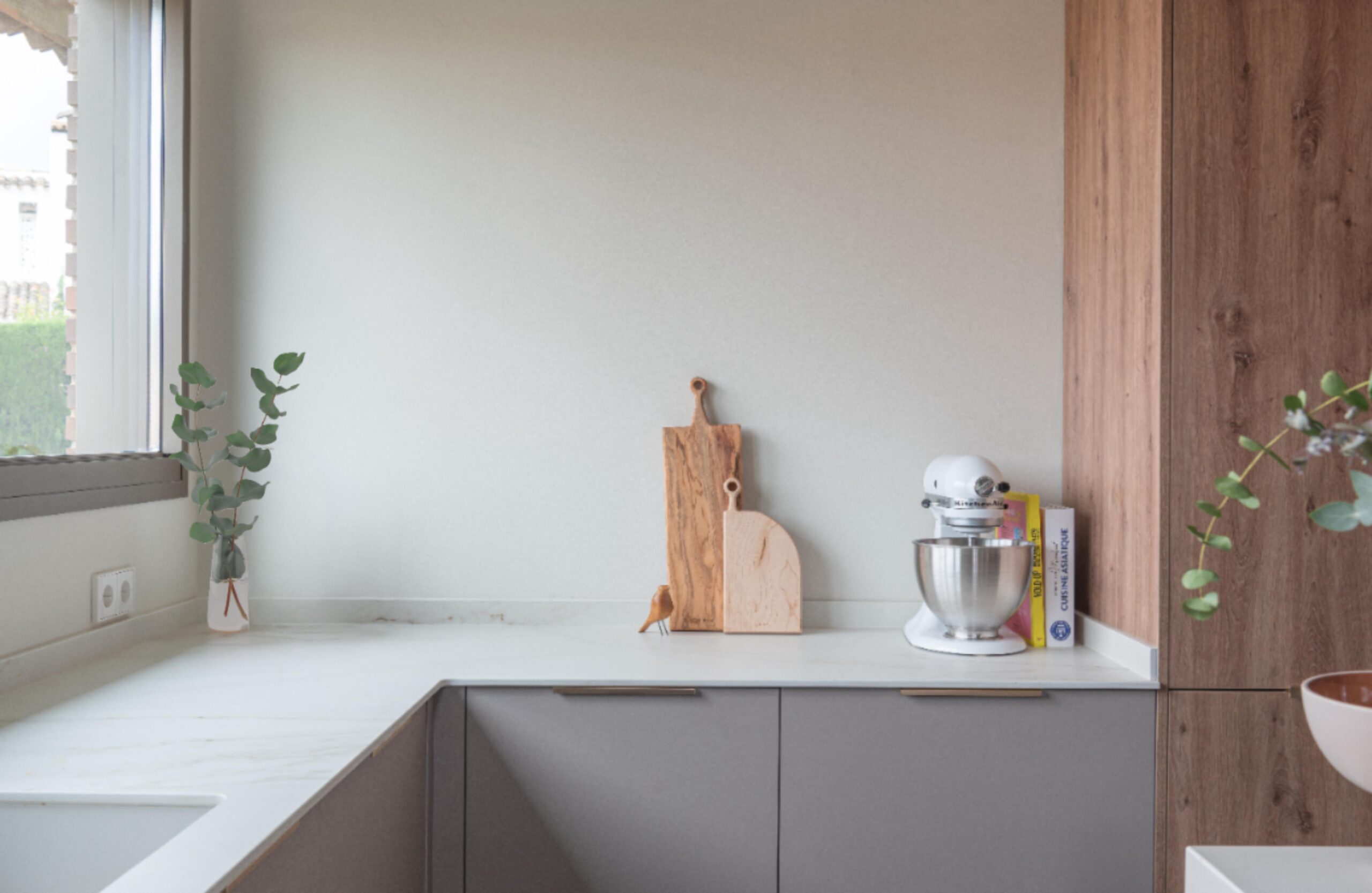
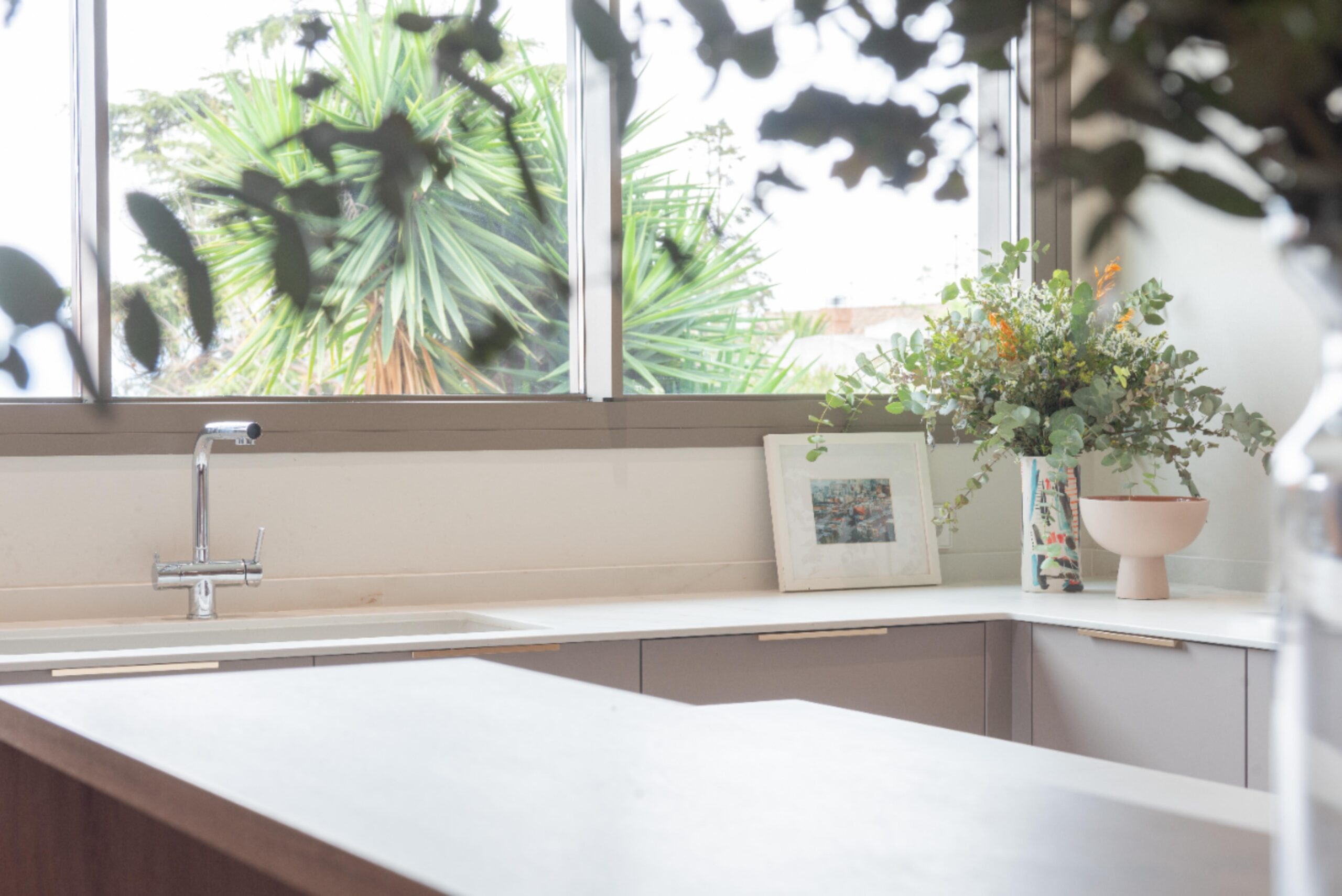
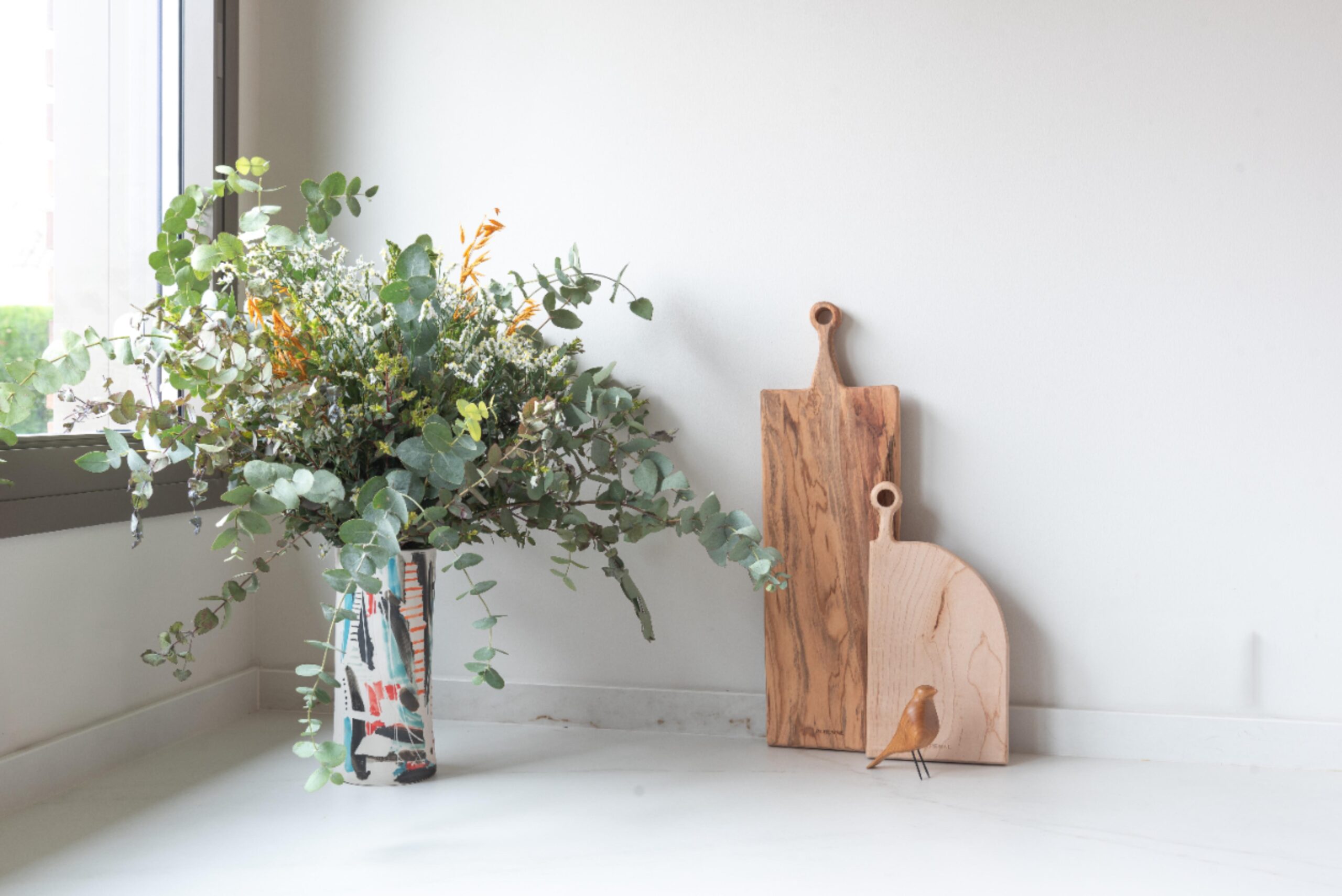
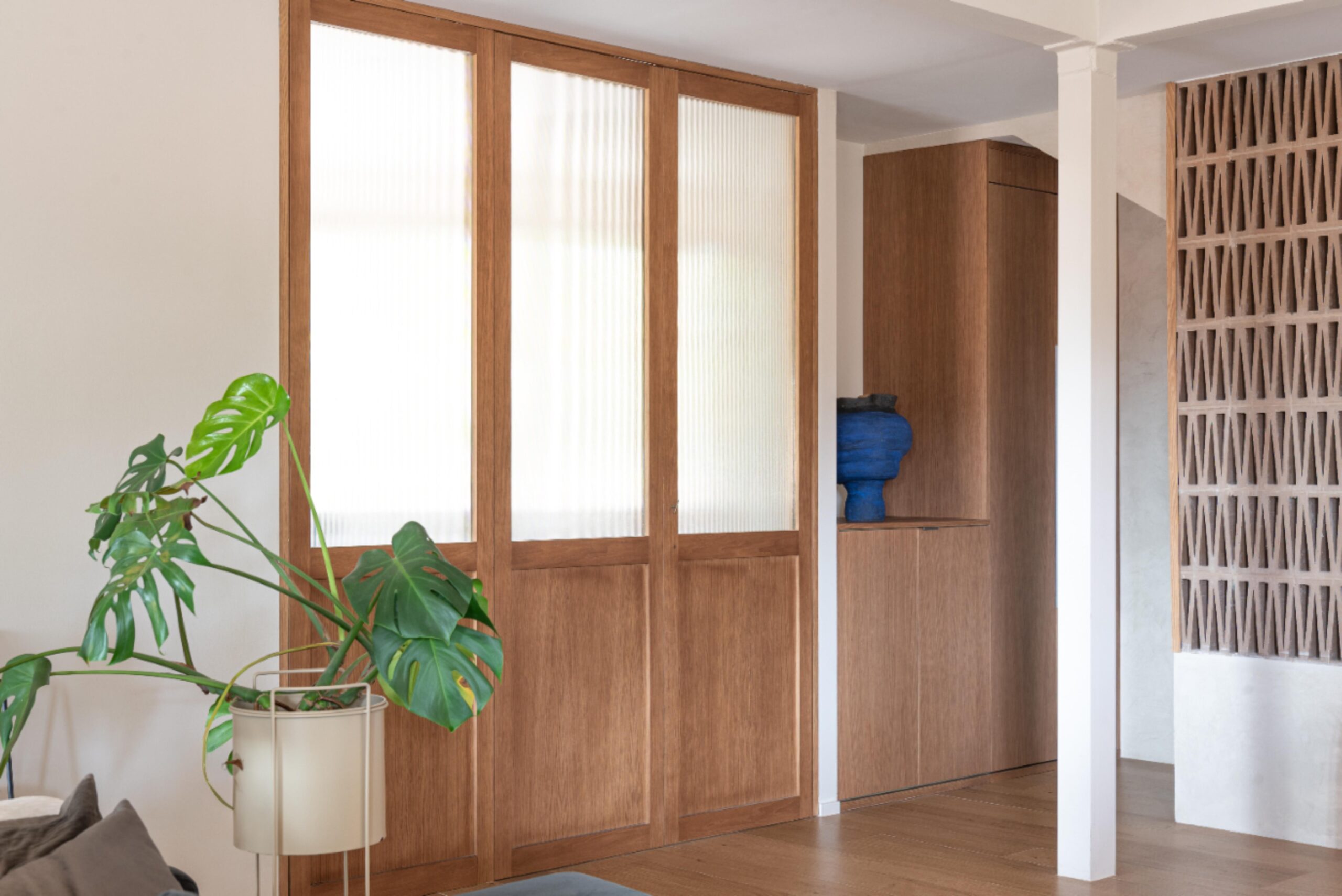
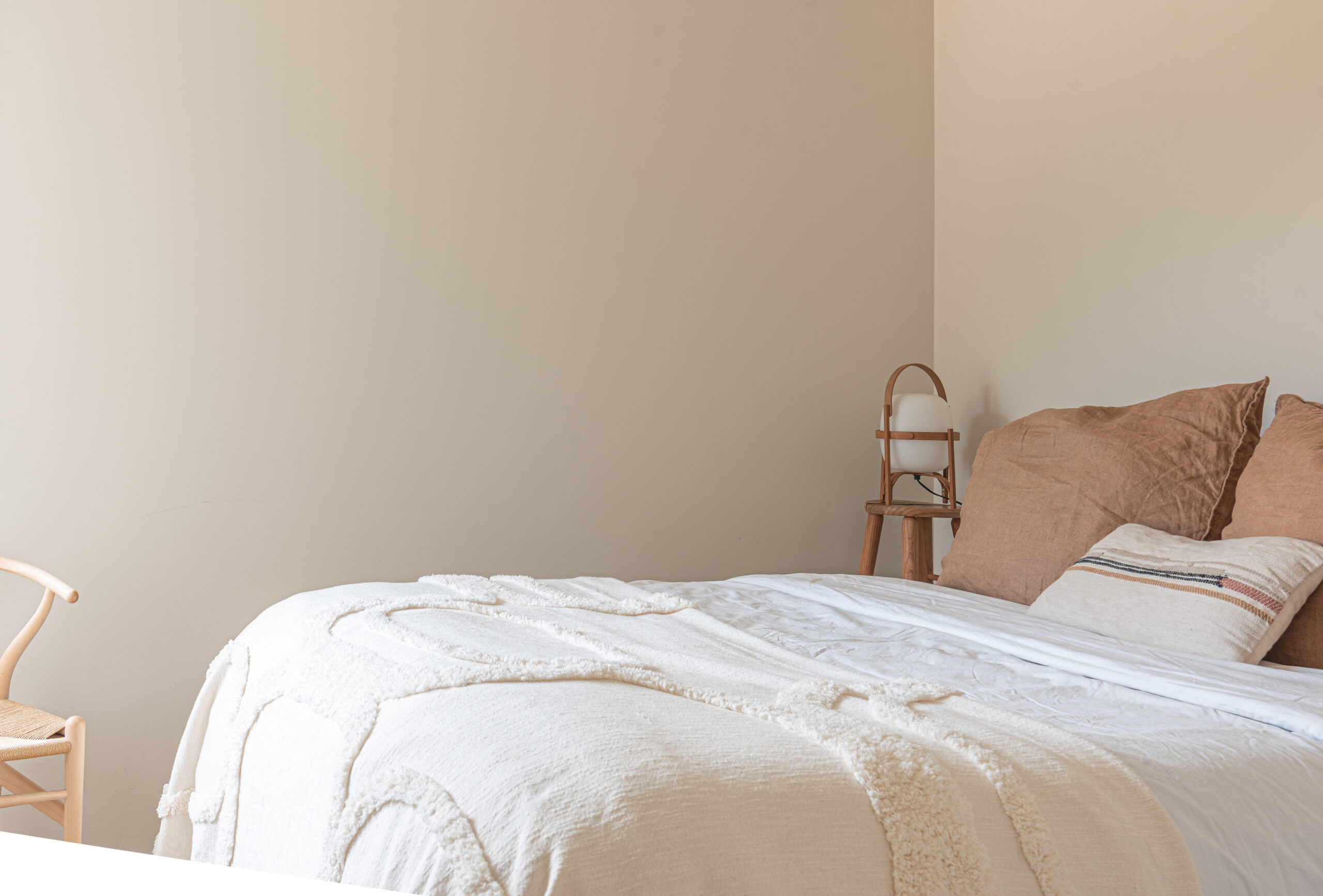
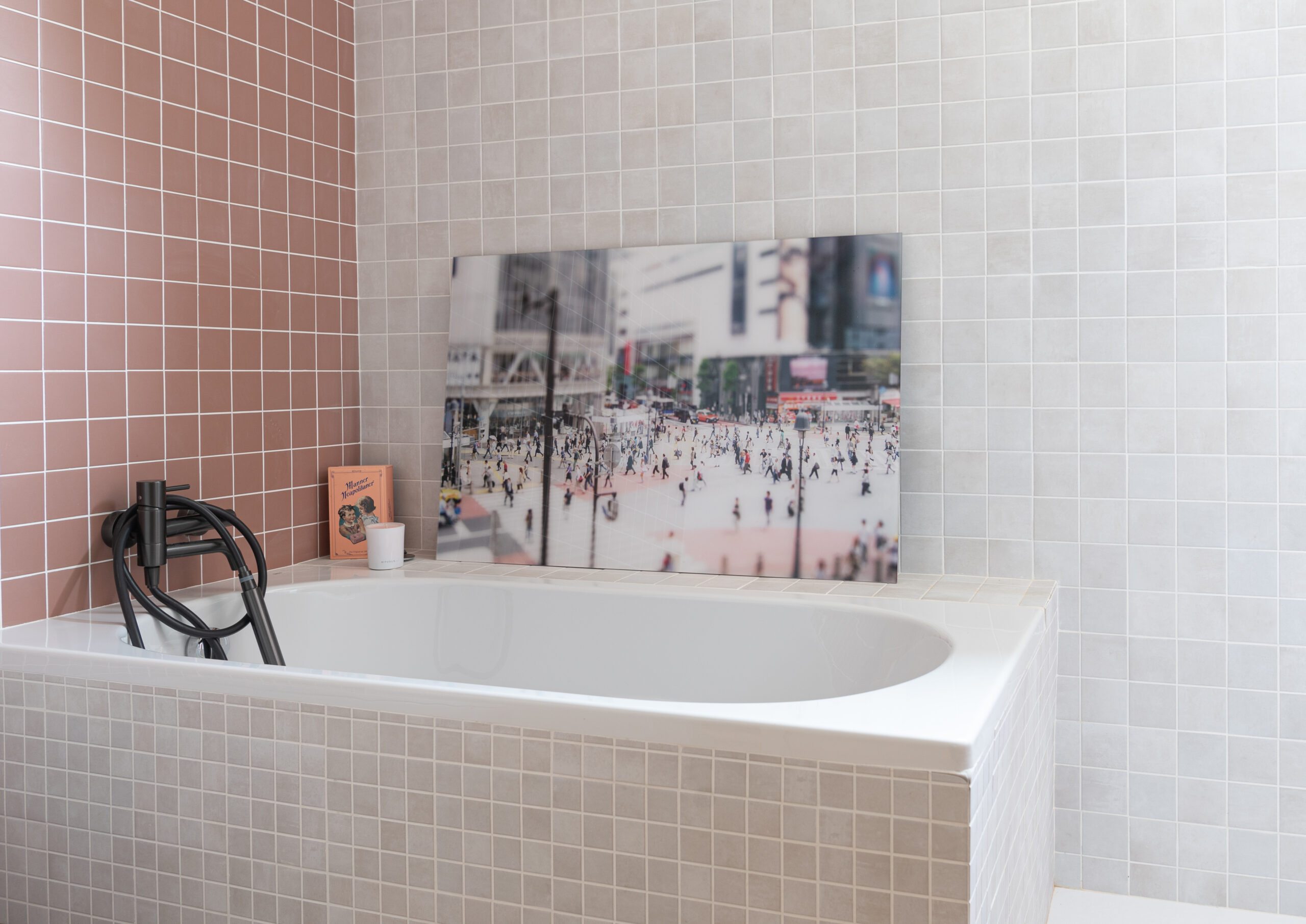
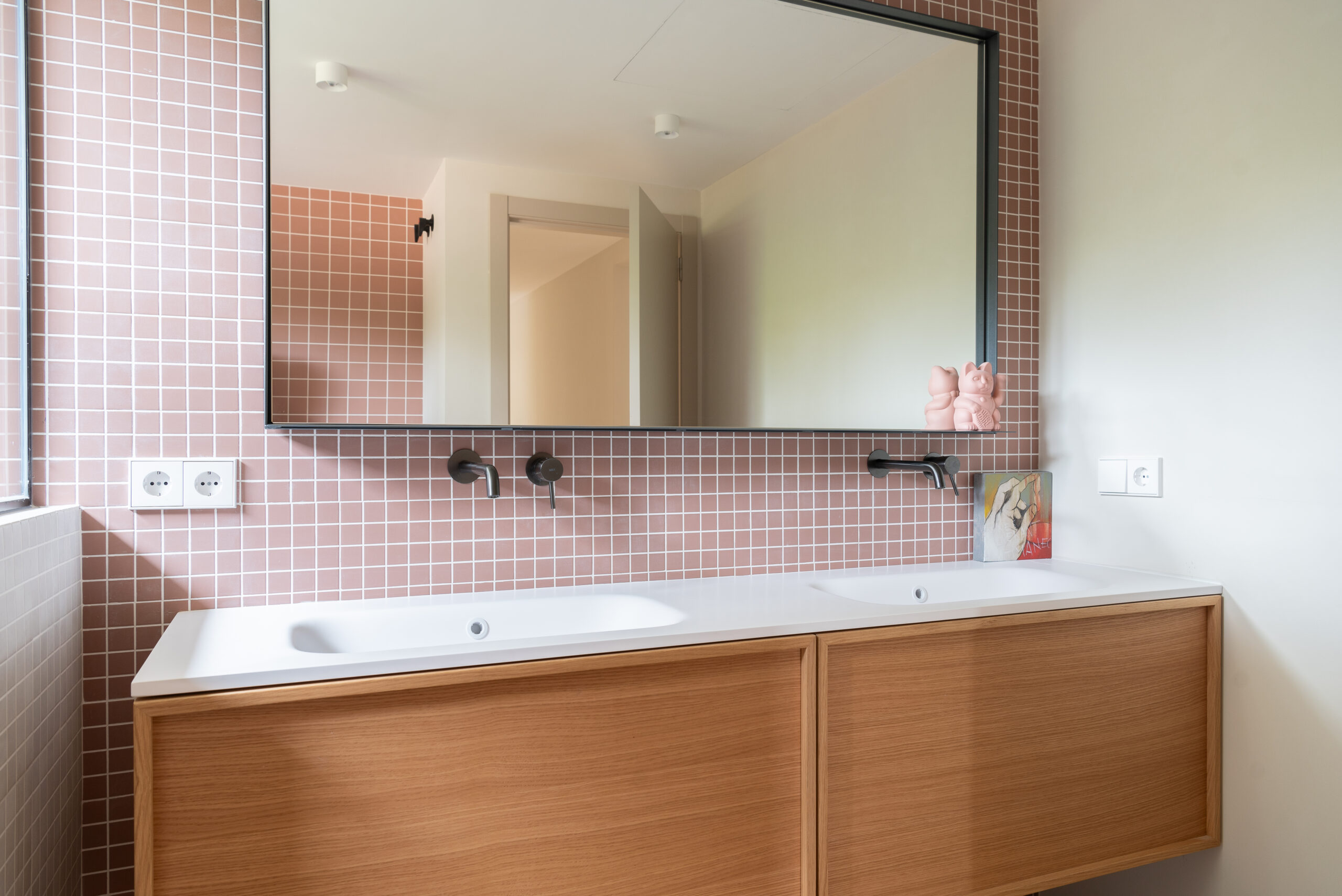
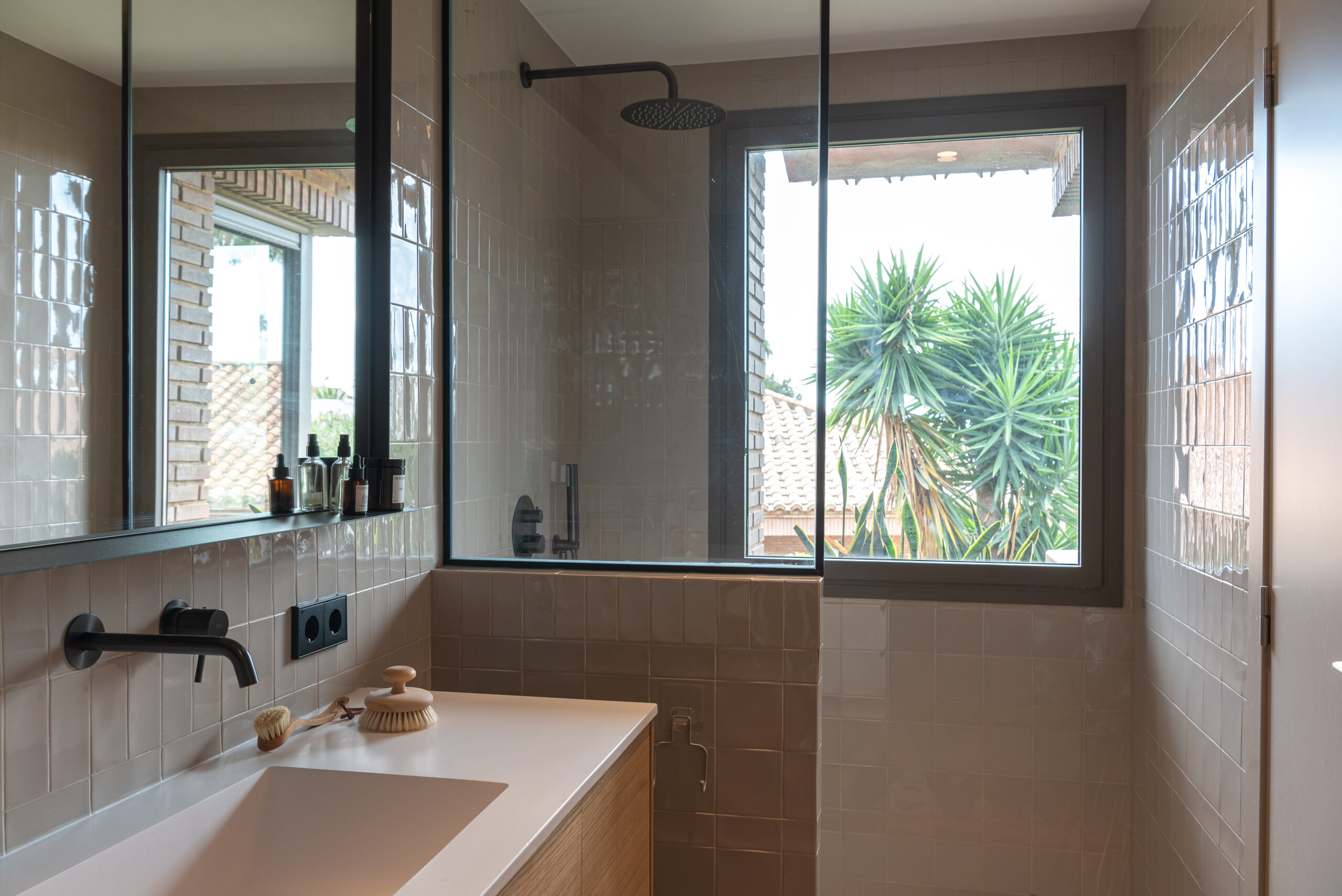
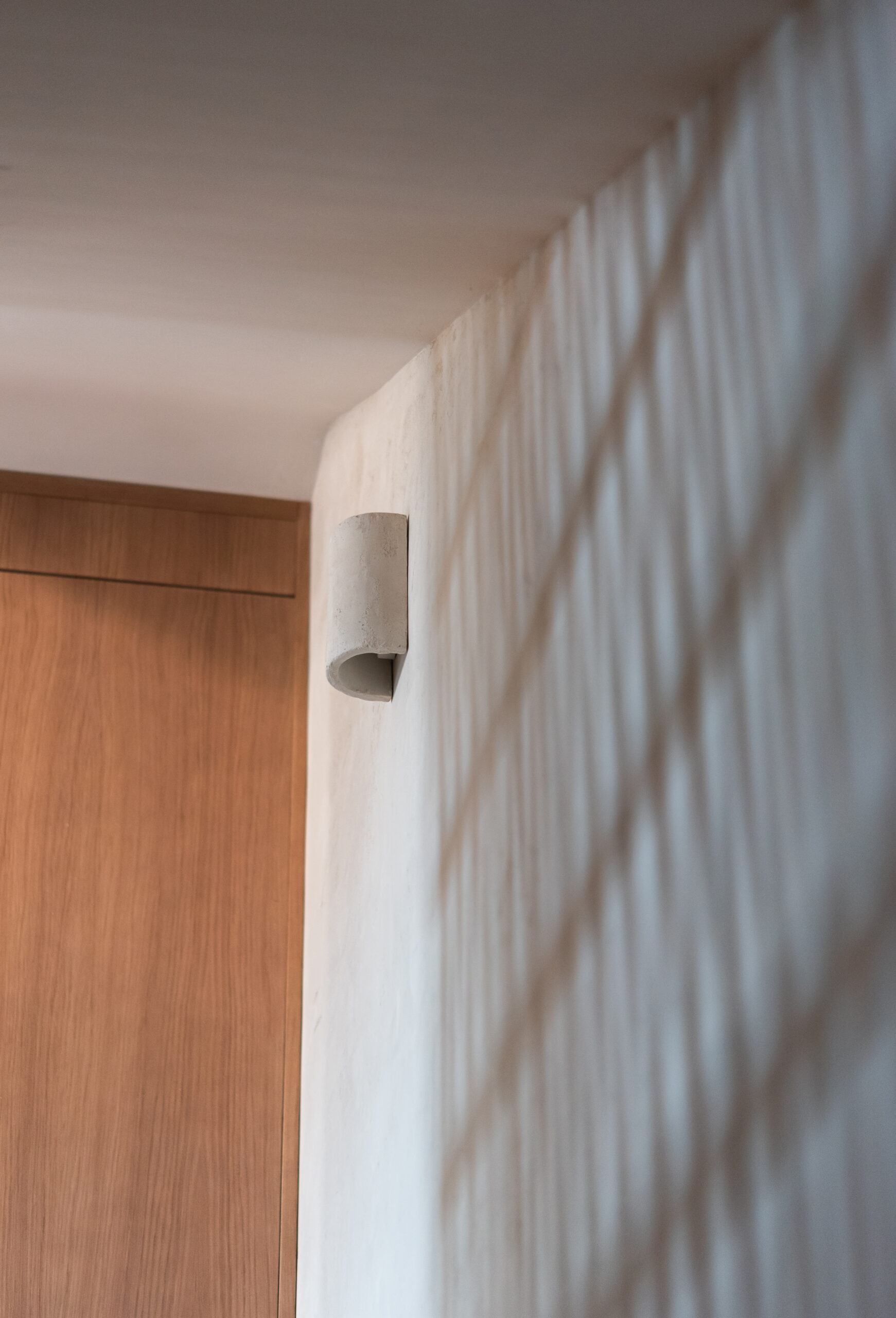
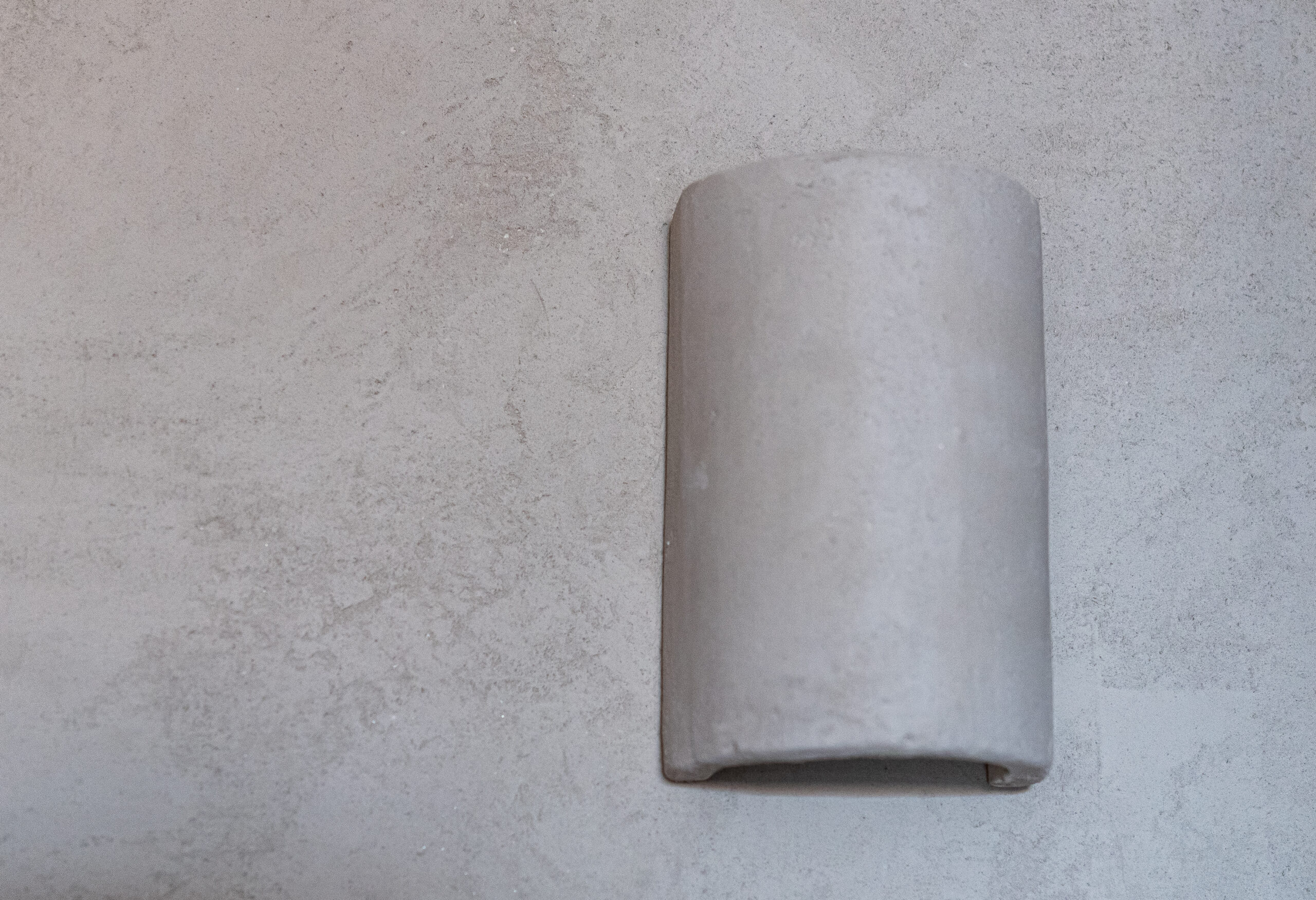
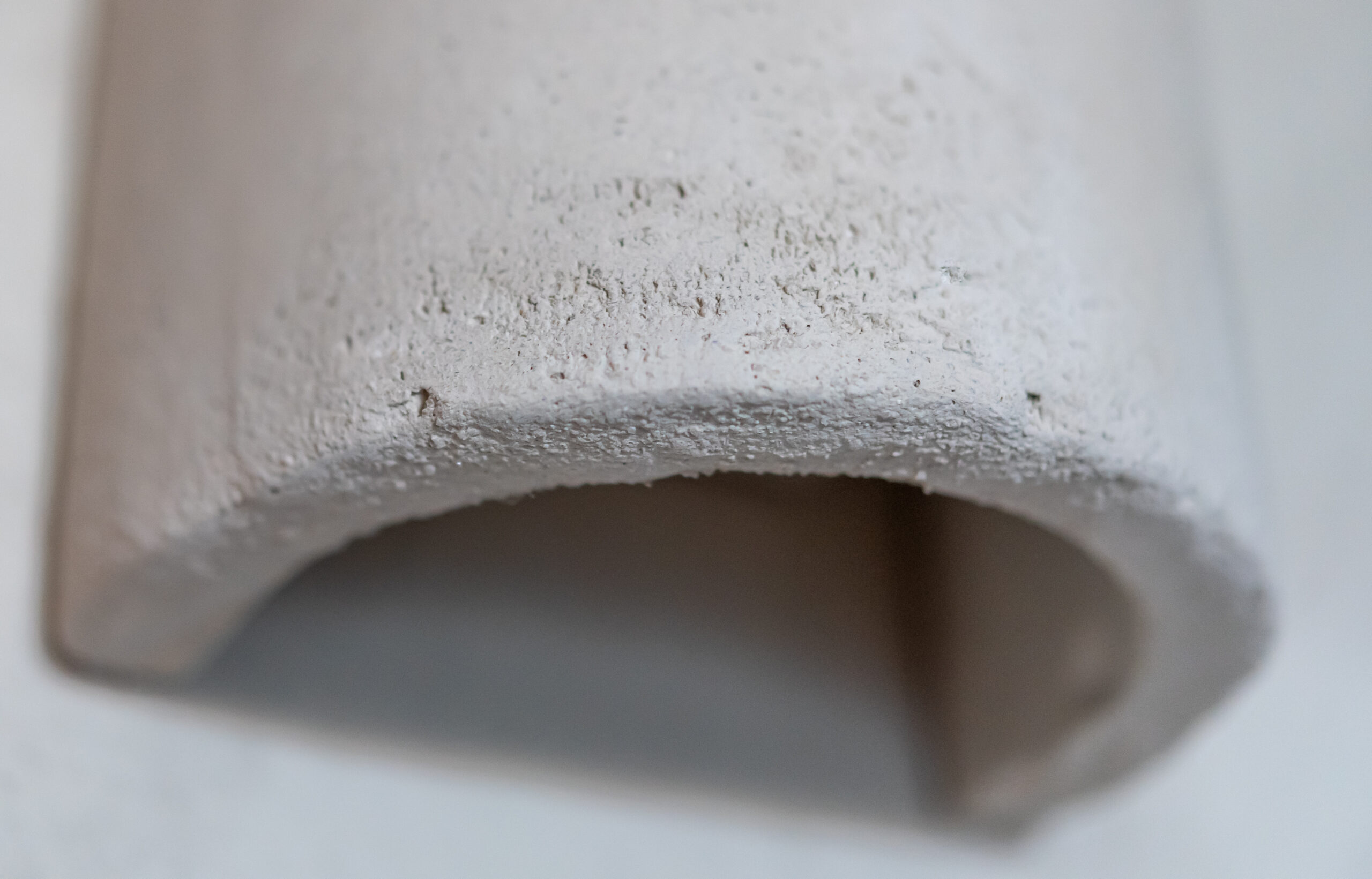
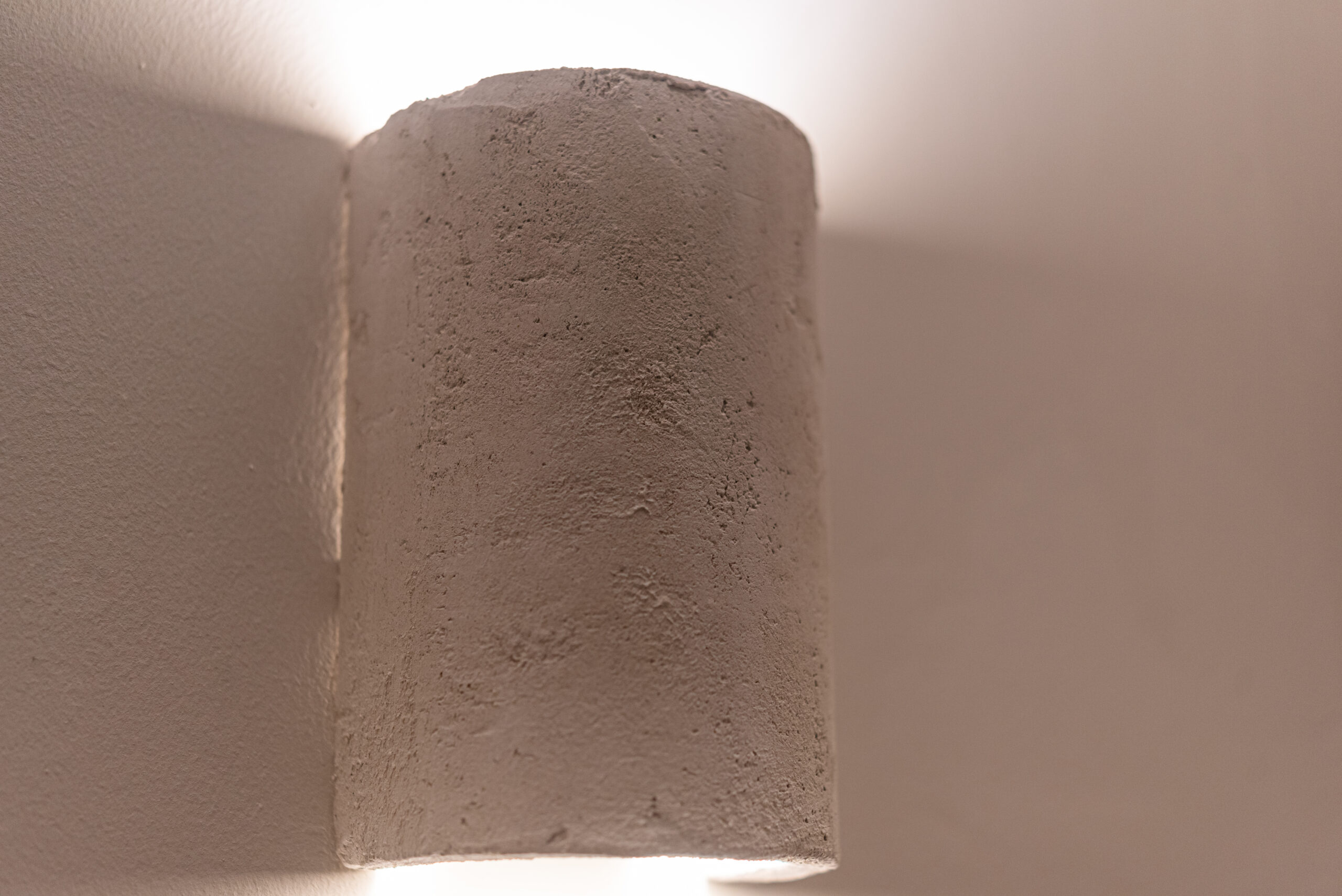
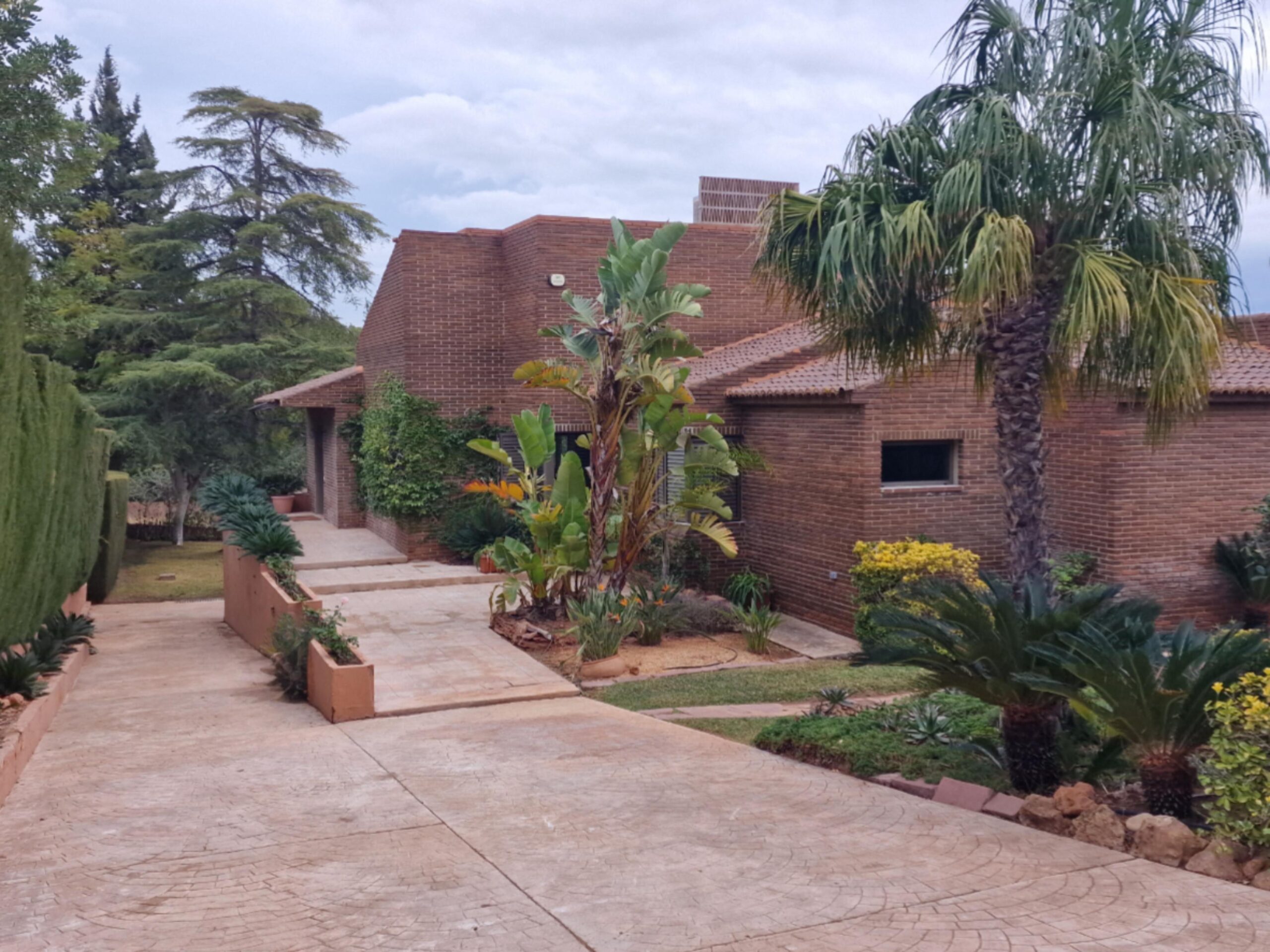
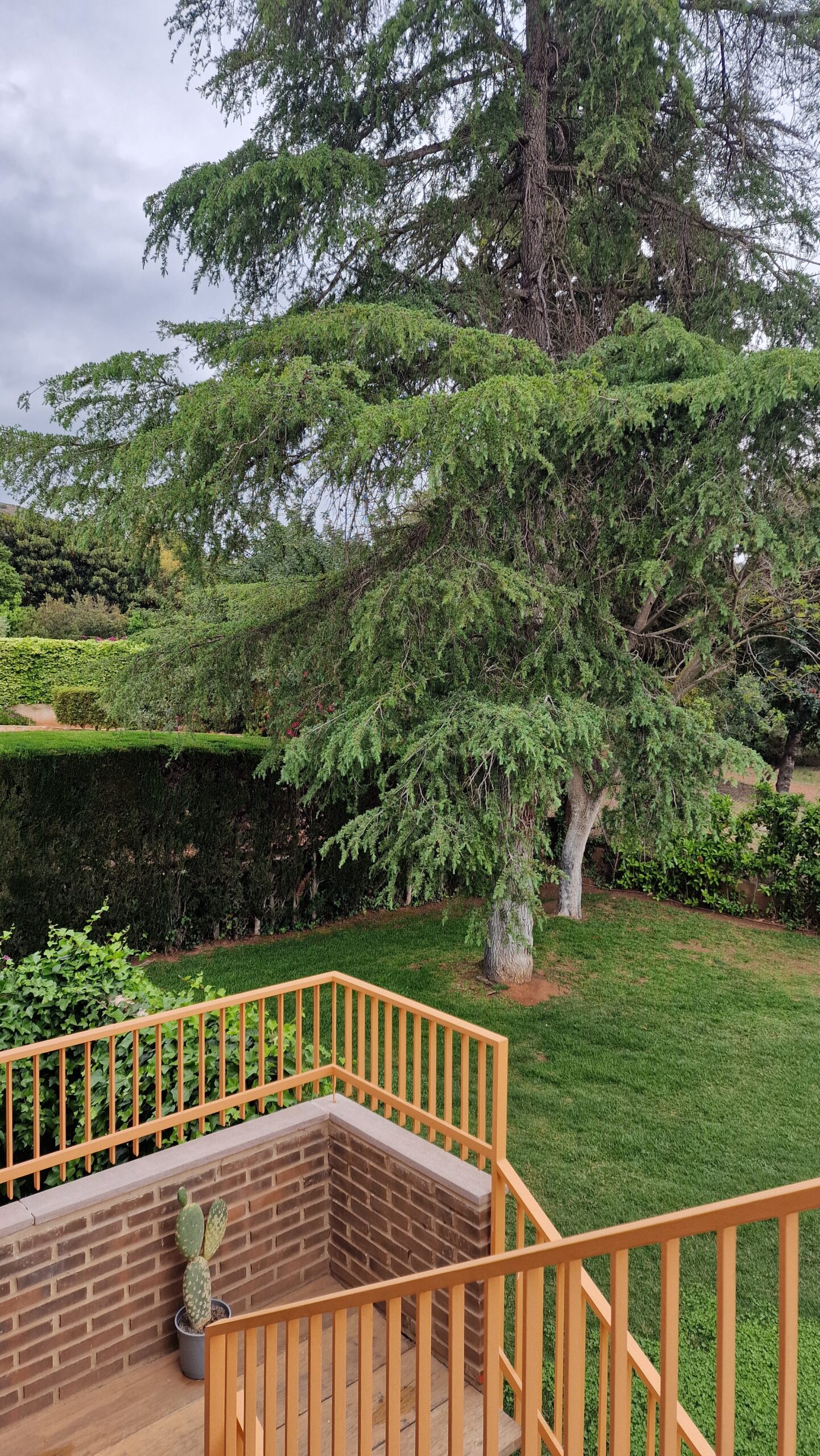
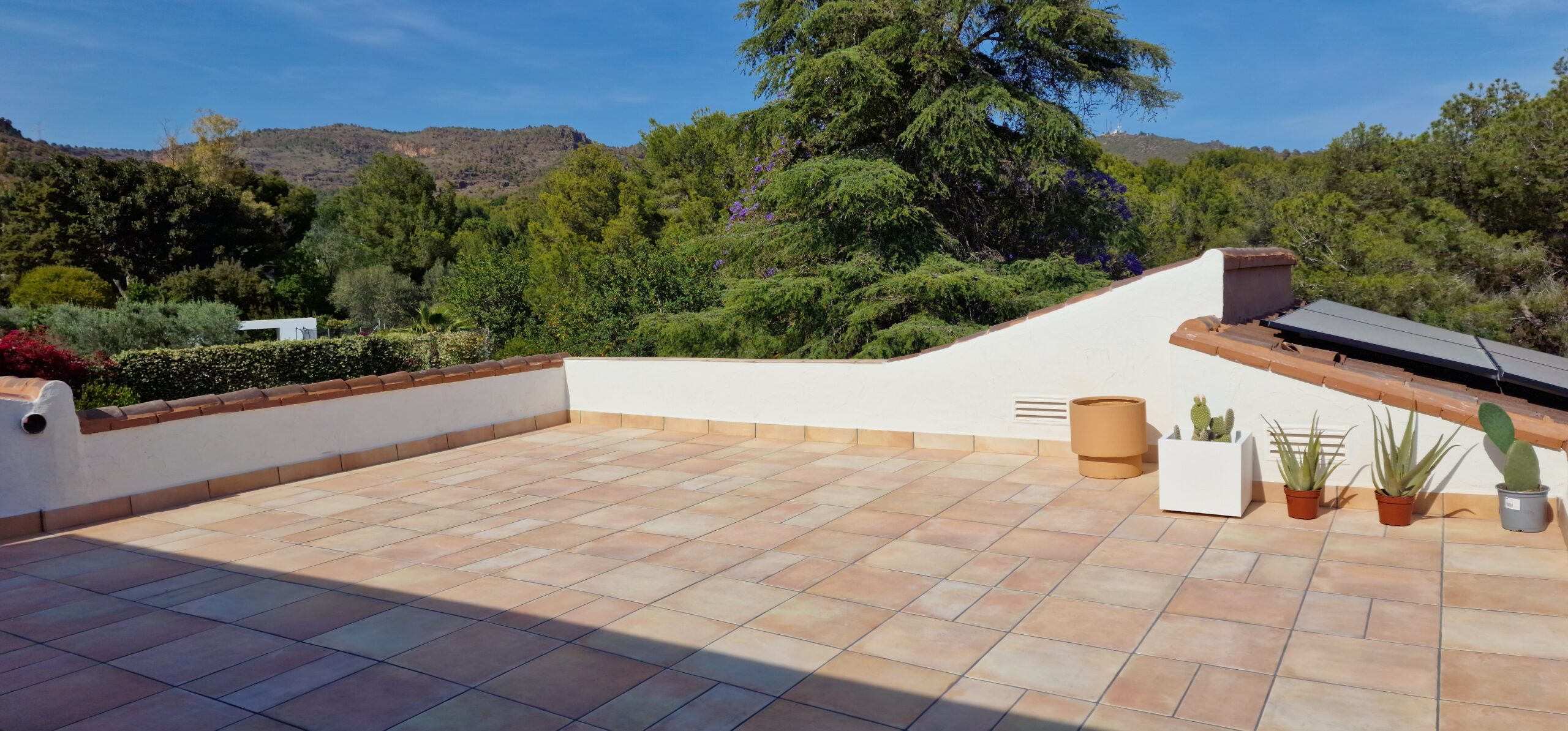
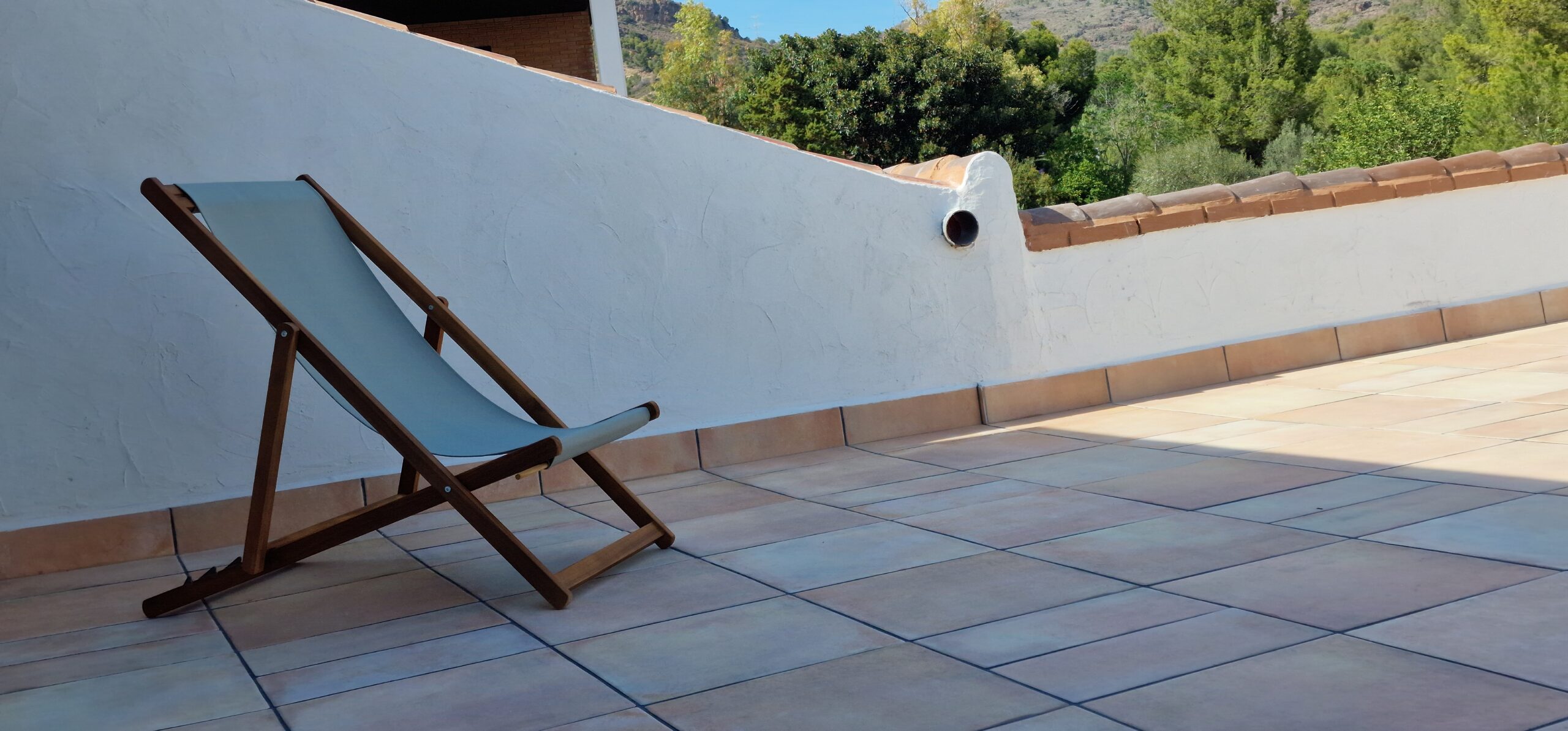
One of the main objectives of the project was to open the house to its surroundings, integrating the landscape into the daily indoor experience. A large opening was created in the previously closed east façade, connecting the living area directly to the garden and mountain views. Full-height, flush-set timber windows with warm finishes enhance this visual and spatial continuity. In addition, the upper terrace—previously underused—was refurbished to take full advantage of the exceptional views and to create a new outdoor relaxation space.
From the outset, the renovation was conceived as a comprehensive transformation that would respond both to the rhythms of daily life and to the family’s highly social lifestyle: a flexible, open and coherent house with spaces designed for sharing, working and resting.
Comfort, functionality and respect for the existing structure
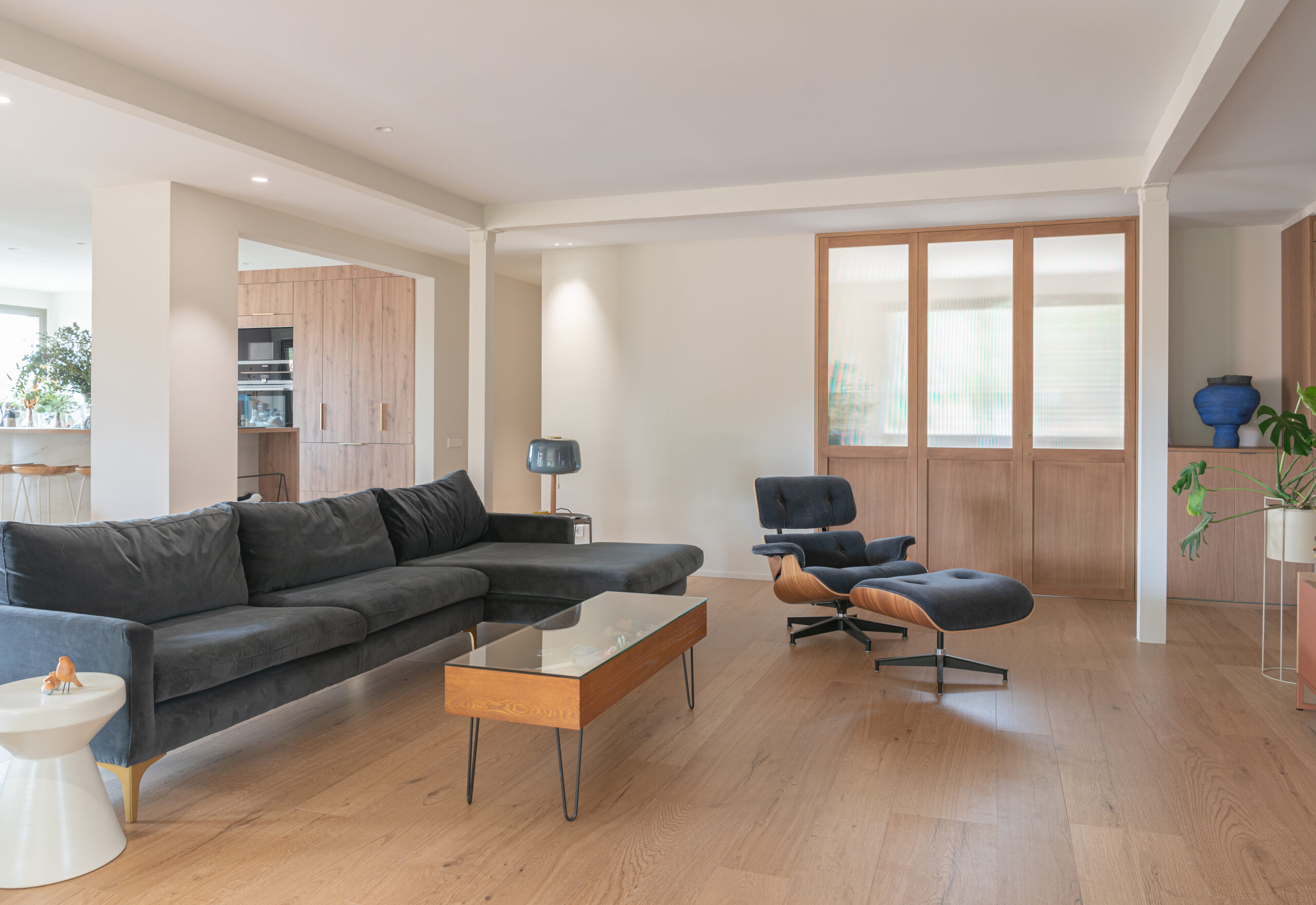
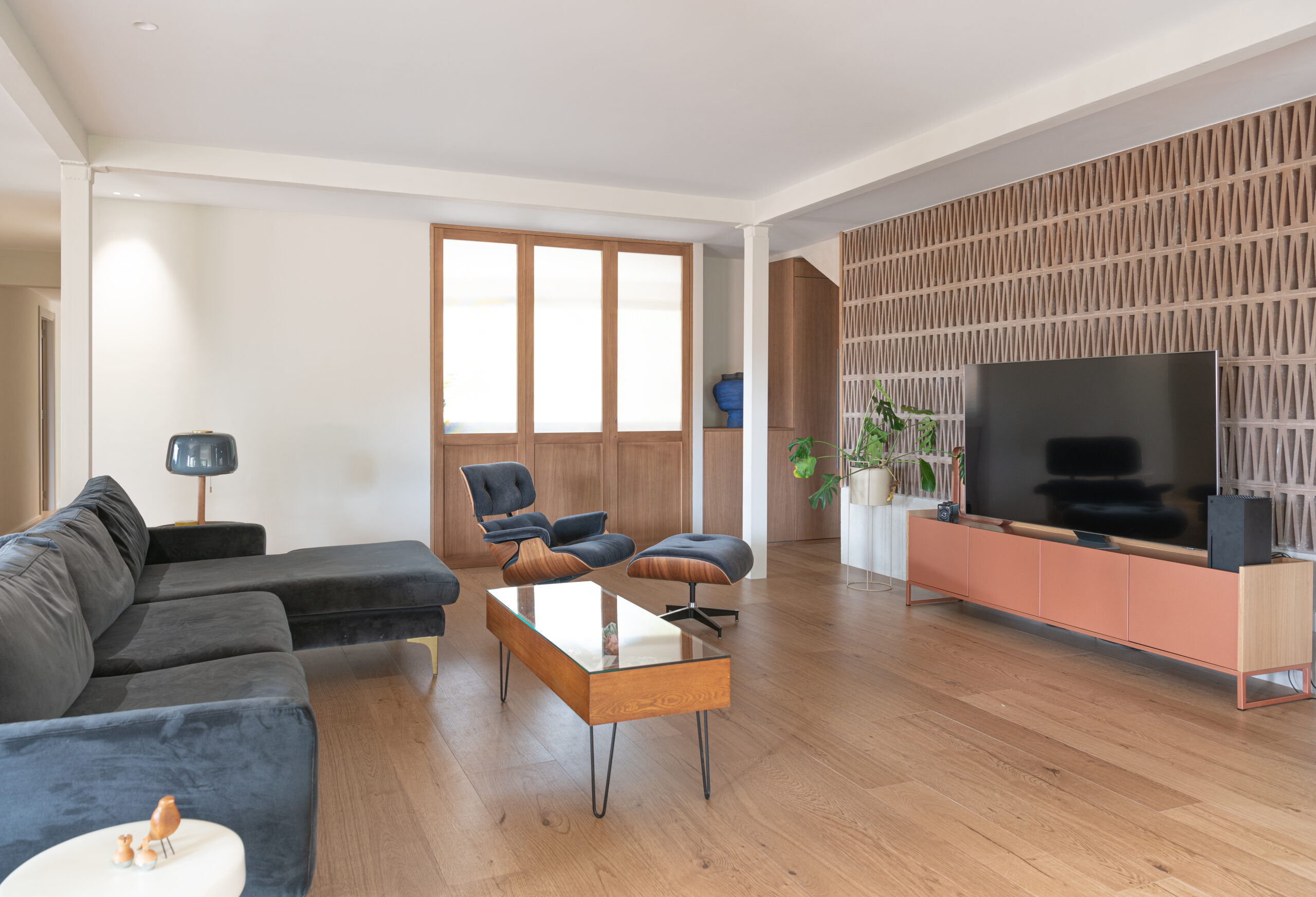
This was a full-scale intervention: the layout was reorganized, the thermal envelope was improved, all installations were updated and finishes were carefully selected following health and aesthetic coherence criteria. Singular structural elements—such as the pillars of the former skylight—were preserved and now shape the internal flow and give identity to the central space.
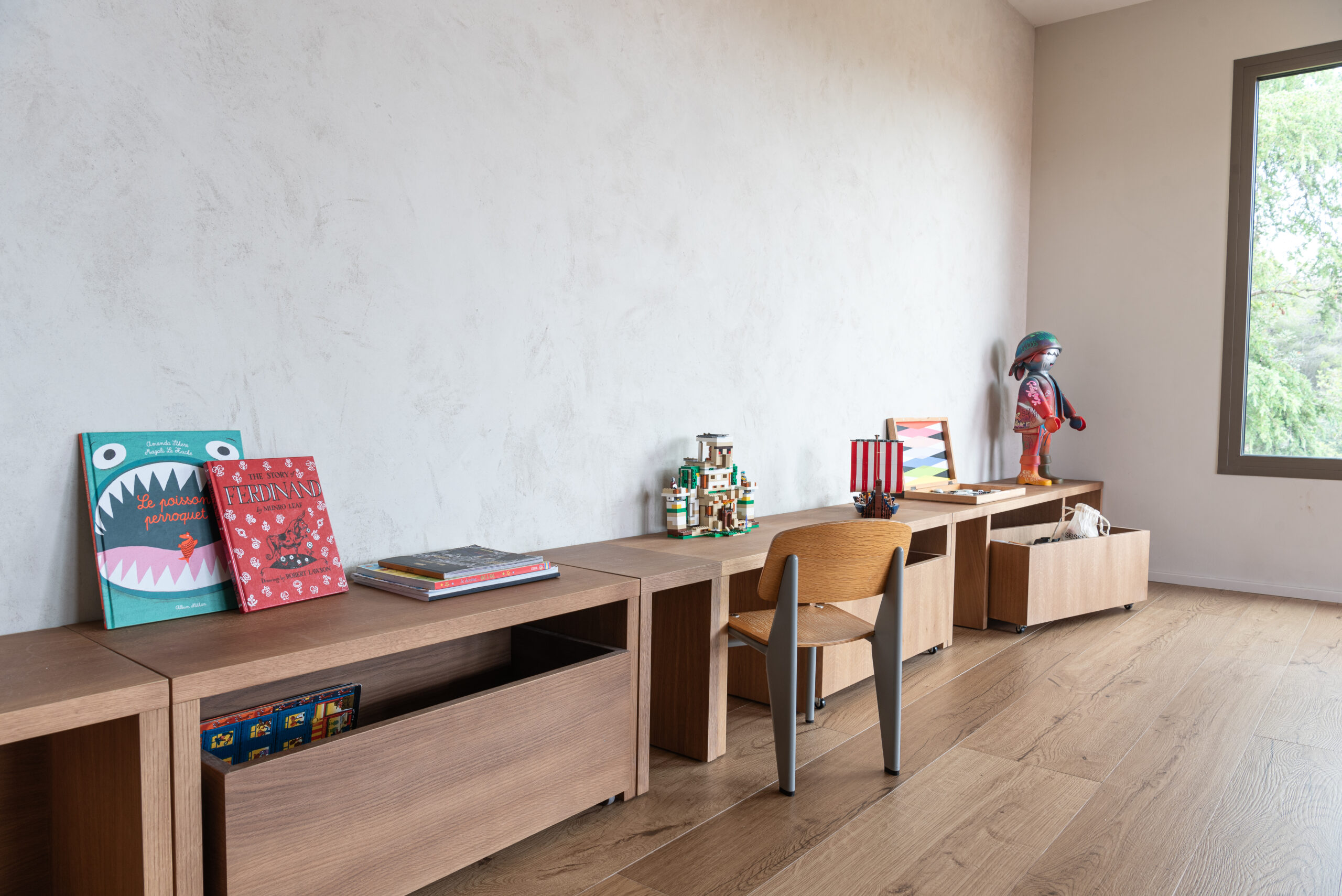
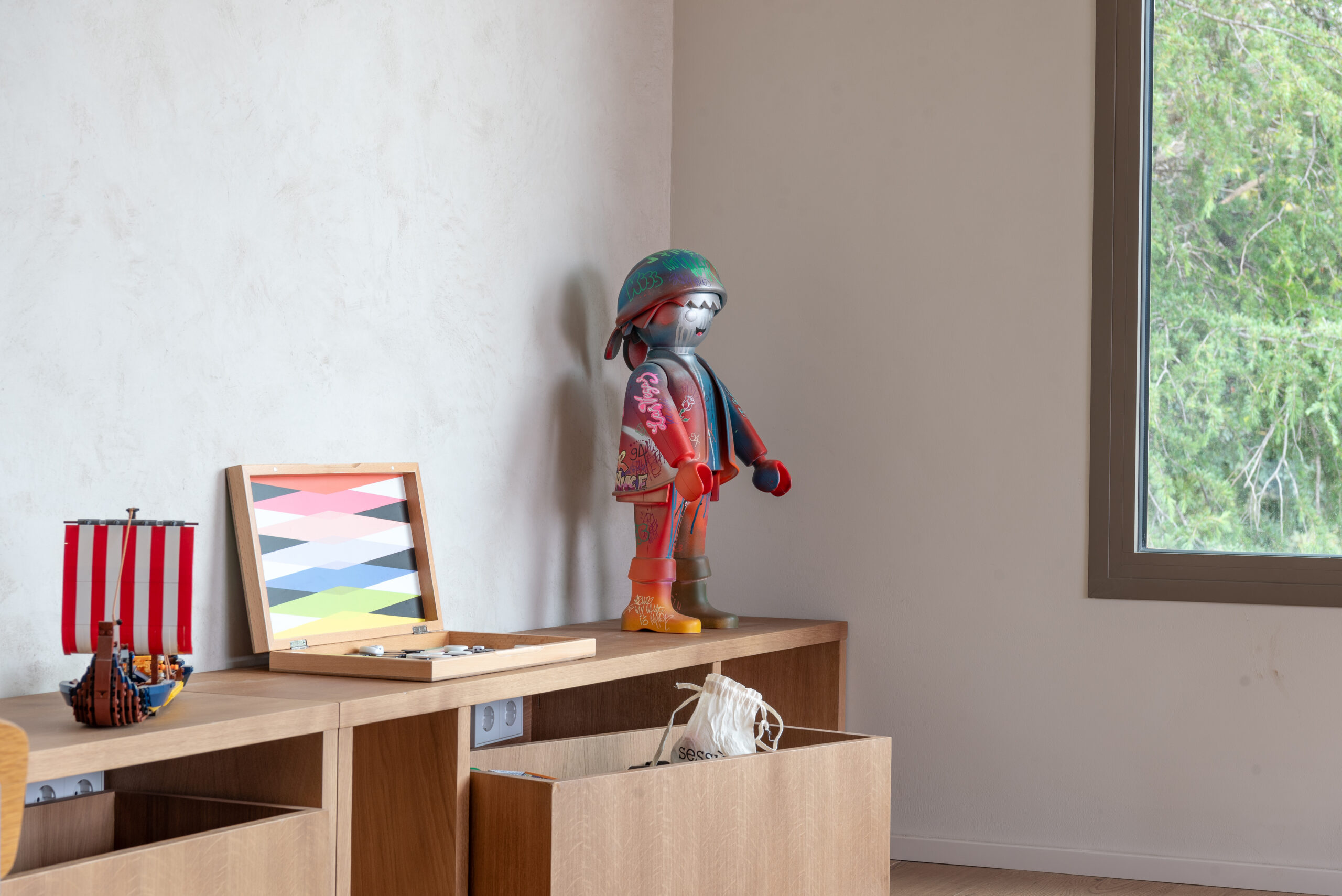
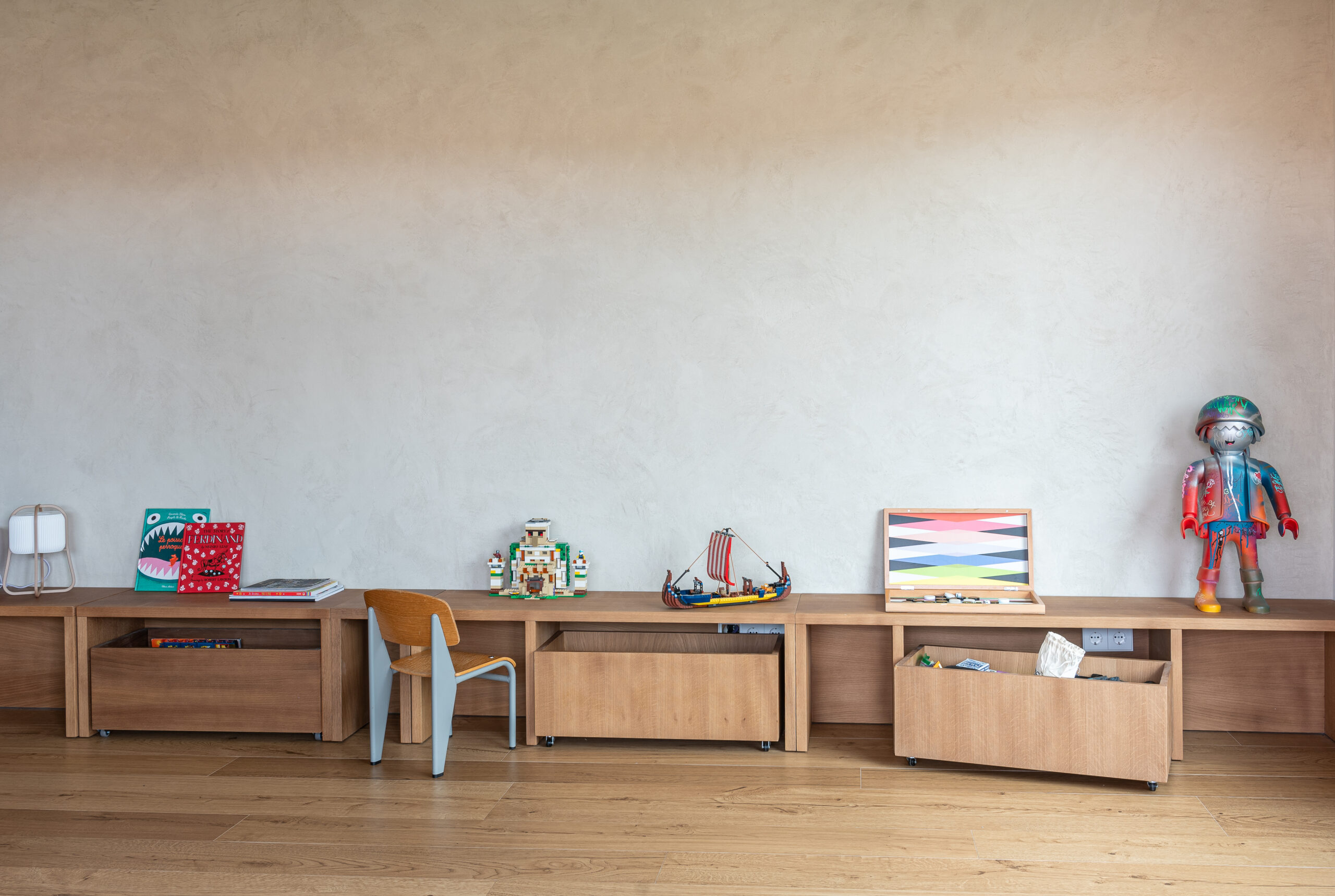
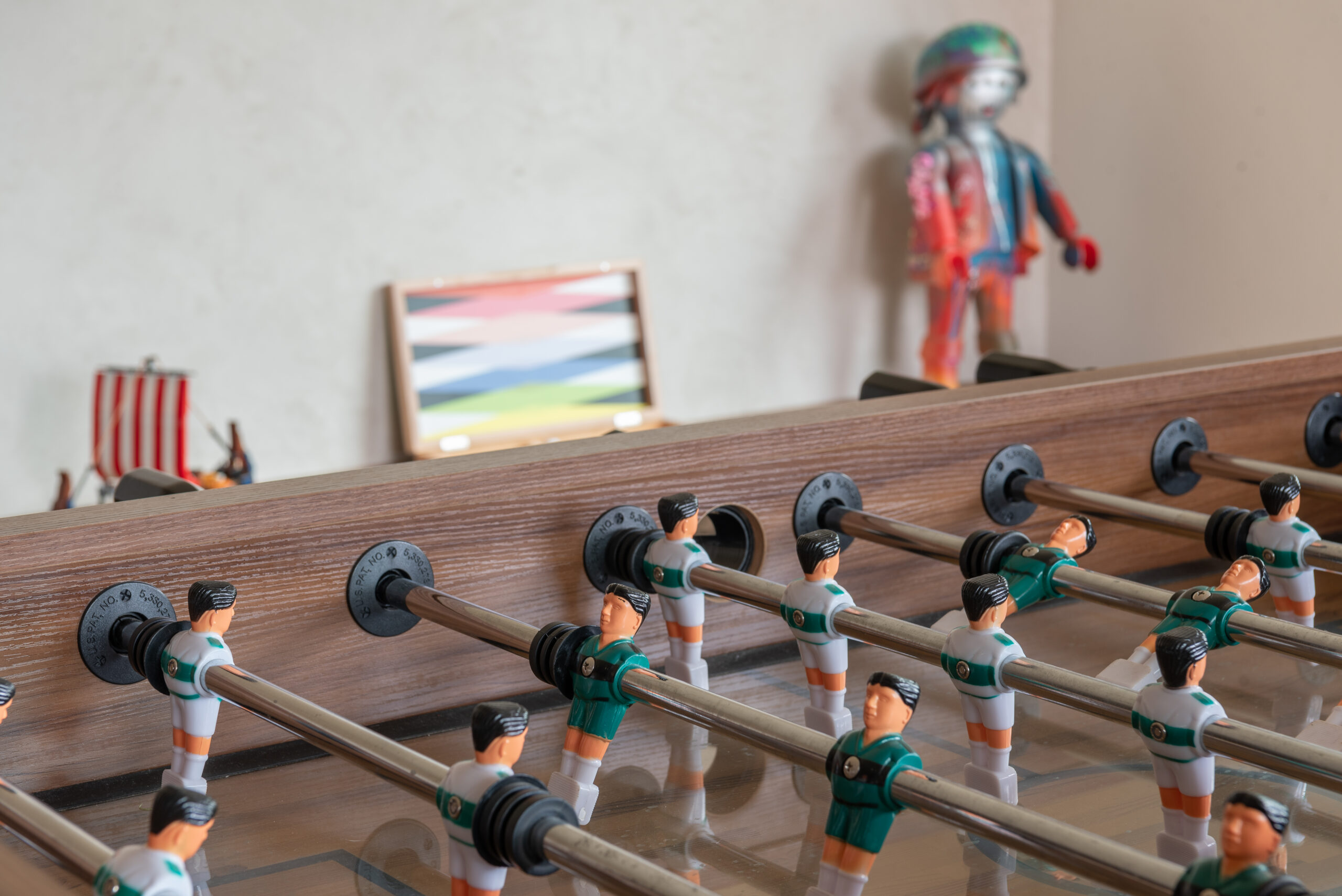
The home is organized around a large open-plan daytime area connecting kitchen, dining room, living space and a generous play area with garden views. Two independent offices accommodate daily remote work, several guest rooms ensure hosting flexibility, and both the master suite and Diego’s room are adapted to different rhythms of rest, play and growth.
Bioconstruction and bioclimatic design: healthy comfort
From the beginning, the project was developed with a bioclimatic and sustainable perspective, prioritizing environmental comfort:
- Natural and continuous insulation:
the entire envelope was improved with natural cork insulation, both blown into cavities and applied in panels, covering walls and ceilings. Floor insulation was added in areas without ventilated subflooring
Bioclimatic analysis:
: after evaluating solar orientation and thermal behavior, underfloor heating was ruled out as unnecessary and inefficient—radiators in the living room are sufficient for just a few weeks each year.
Efficient climate control:
the home includes air conditioning, though it is rarely needed in winter thanks to the building’s improved thermal performance and reliance on passive solutions and renewables.
Solar-adapted joinery: :
new windows were selected to optimize passive solar gain in winter and minimize overheating in summer. Corner windows in the bedrooms enhance natural light and open the views. Passive protections include slatted blinds and deciduous vegetation.
- Healthy materials:
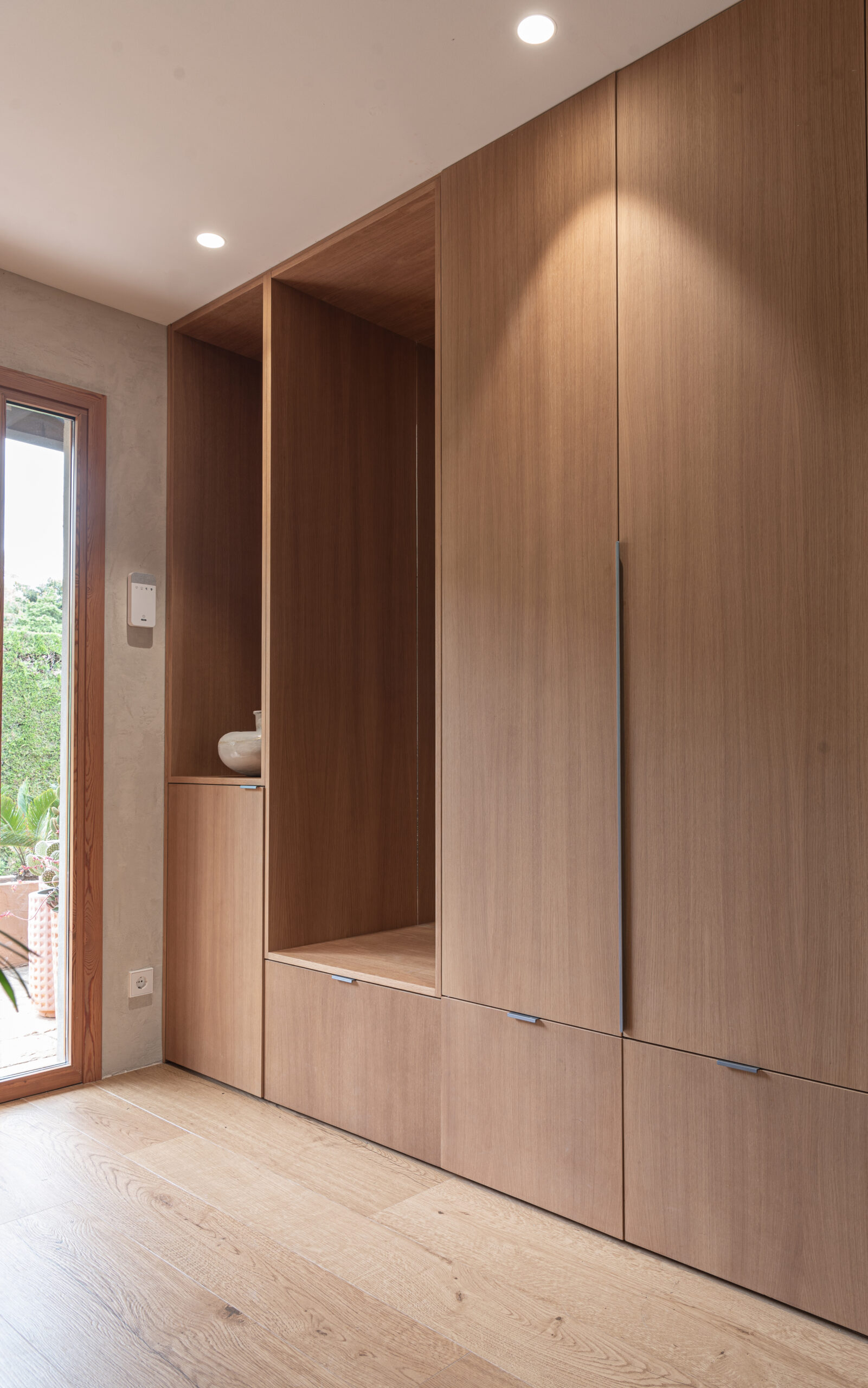
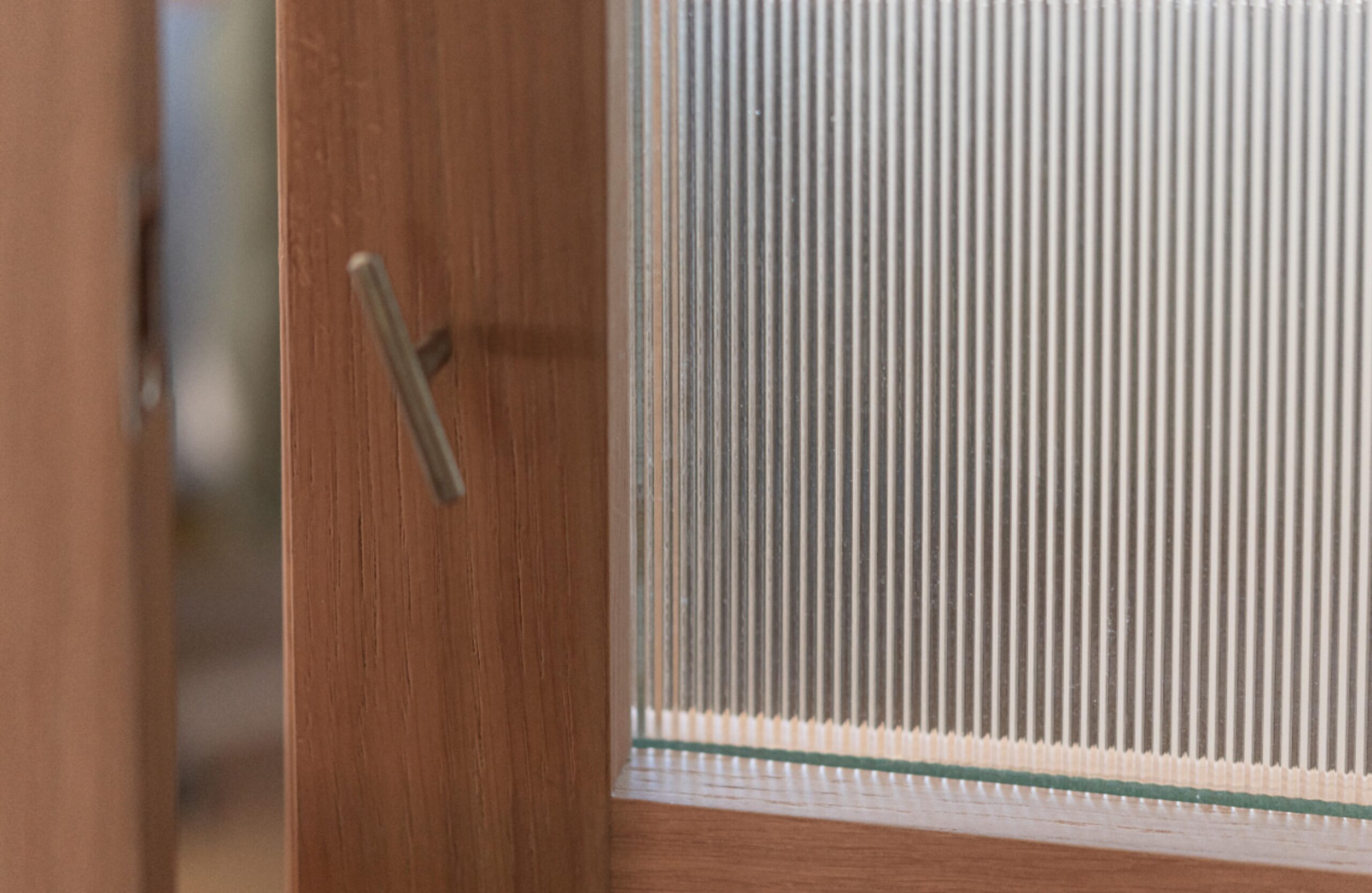
All finishes follow bio-construction principles: ceramic brick, lime mortar, mineral paints, high-efficiency exterior carpentry, and custom oak-veneered carpentry guarantee a coherent, timeless, and natural interior design.
Natural light and ventilation:
the design maximizes cross-ventilation and ensures air renewal through carefully planned openings. The central space connects to three façades, allowing generous and even daylight throughout the day
Coherent design, noble materials and connection to the landscape
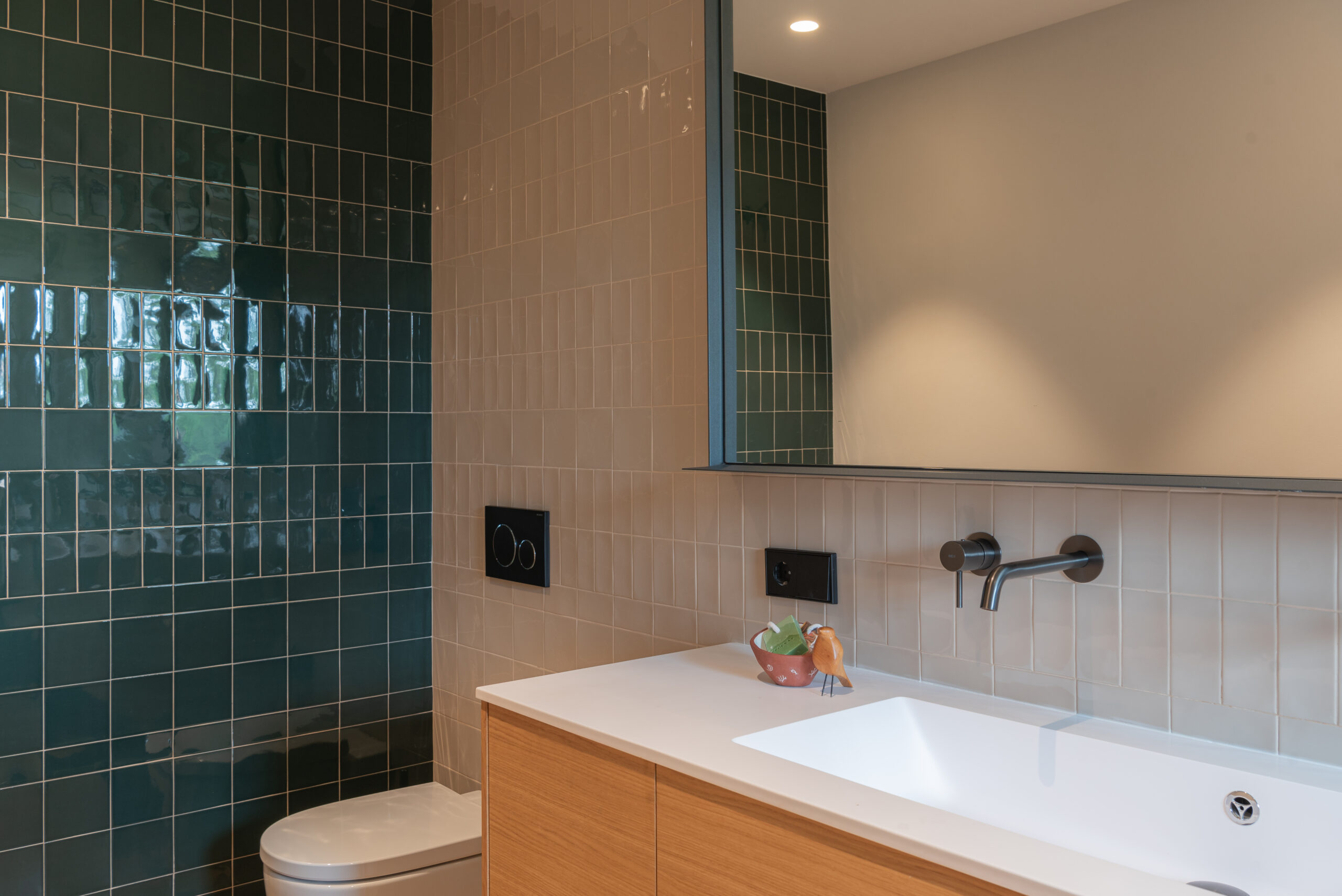
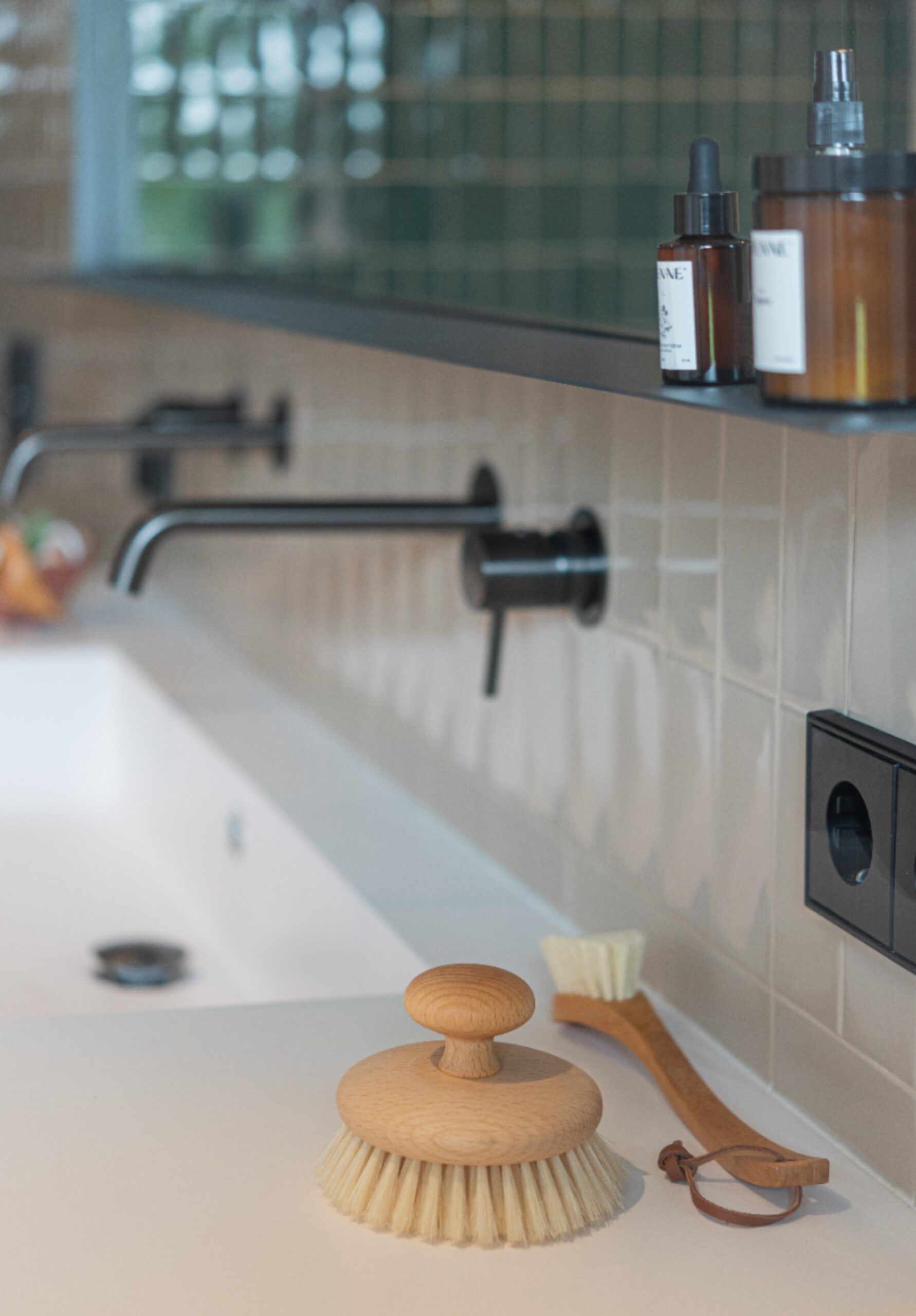
What initially appeared as a challenge—the four structural pillars from the former skylight—became a key element for organizing a fluid and intuitive central circulation. The kitchen, open to the garden, acts as the home’s functional core. Bathrooms were redesigned with good proportions, healthy materials and a combination of lime and ceramic finishes. Bedrooms offer flexible environments for rest, study or play. Both offices ensure privacy and comfort for remote work. The garden and terraces extend the interior outward, creating year-round livable and fresh spaces.
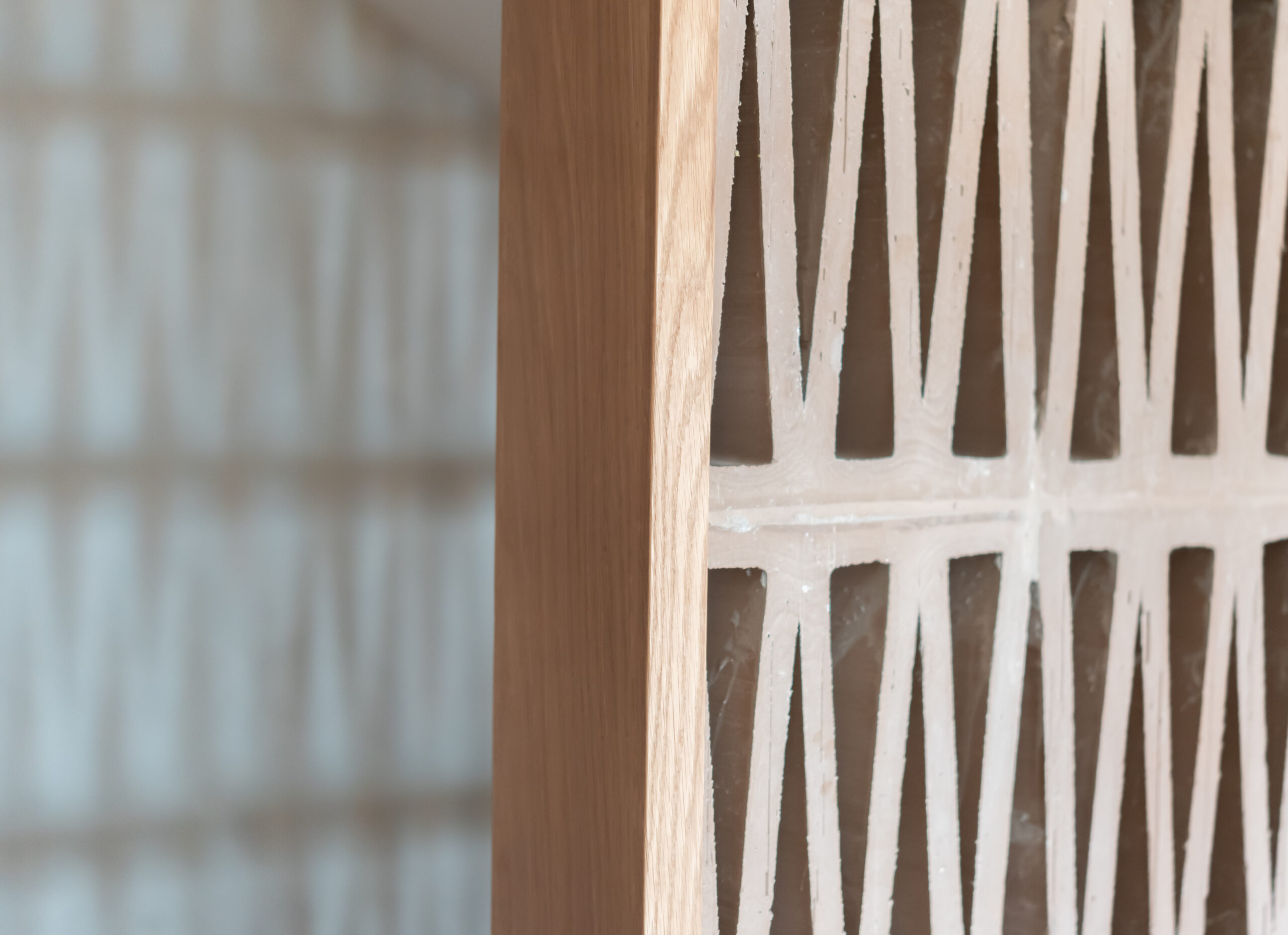
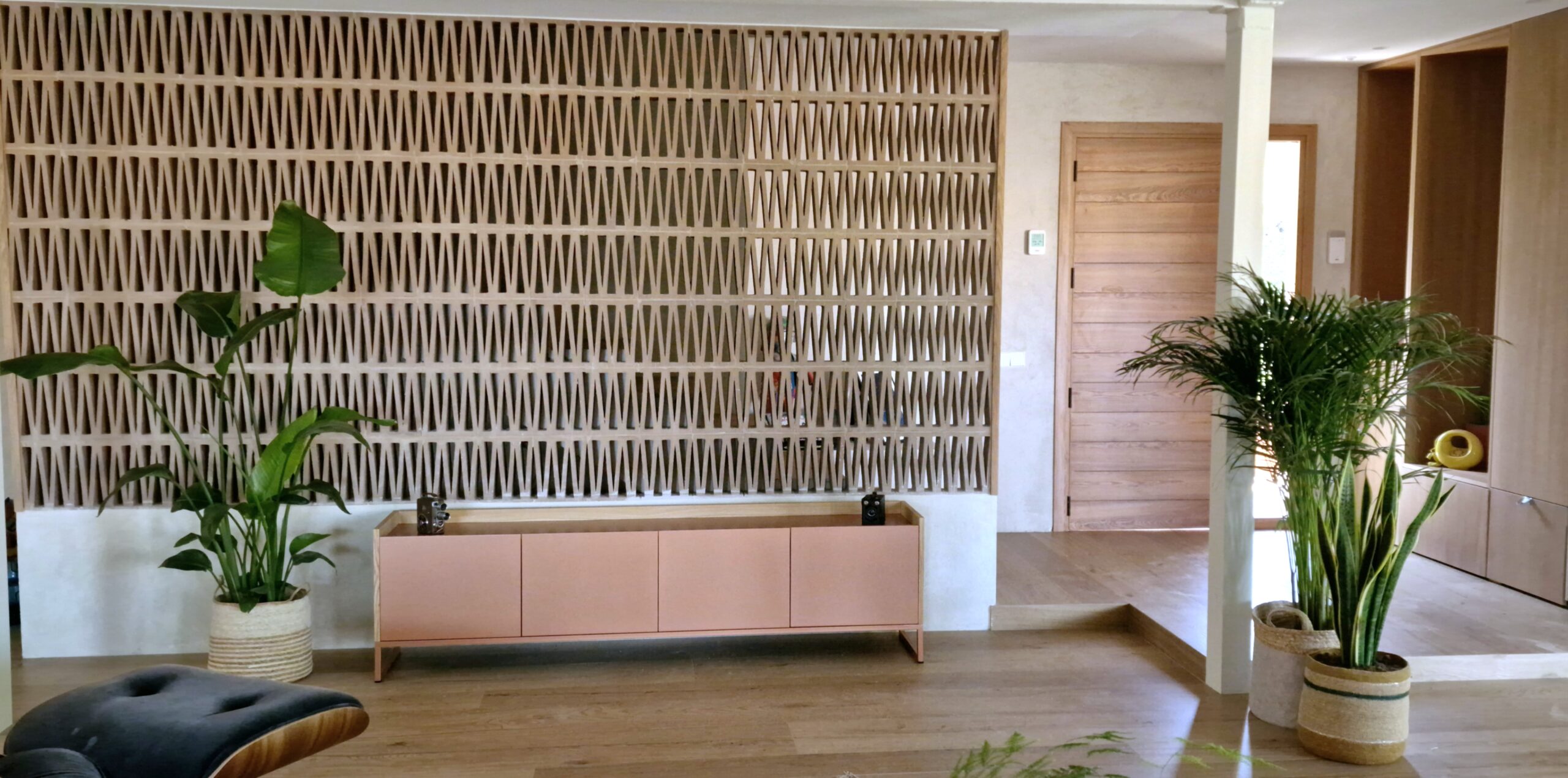
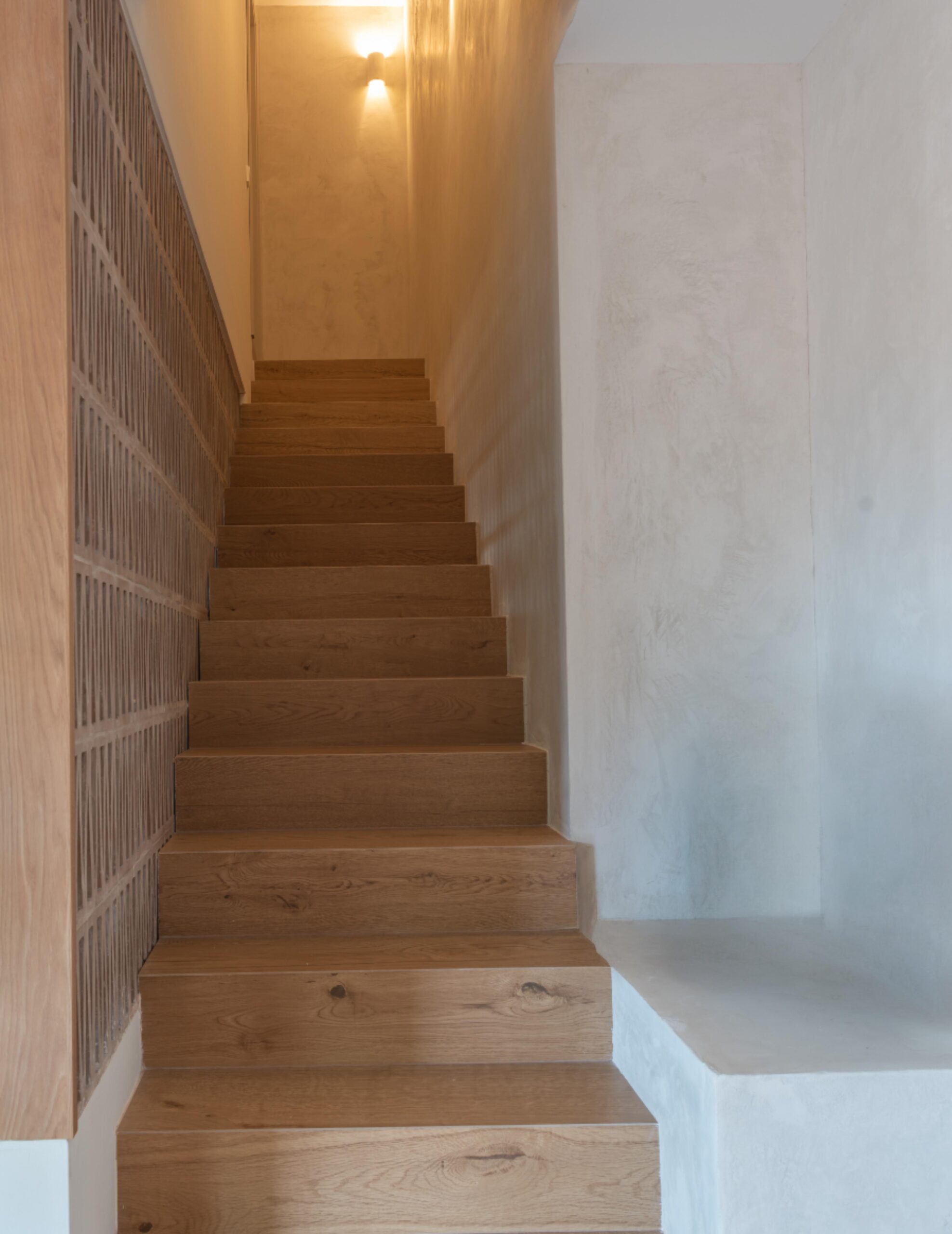
A highlight of the design is the handcrafted terracotta lattice, which functions both as a stair railing and as a visual partition between uses—bringing warmth, rhythm and material character to the heart of the house.
Energy commitment and true sustainability
Energy efficiency was a guiding principle of the renovation. Solar panels were installed for both domestic hot water and electricity generation, significantly reducing energy demand and allowing for a more autonomous and sustainable operation throughout the year.
Technical summary
- Project: comprehensive renovation of a single-family home
- Surface area: 279 m² built
- Year: 2023–2024
- Location: natural setting with views of the Sierra Calderona
- Program: primary residence with workspaces, guest rooms and generous shared areas
- Scope: reorganization of layout, improved thermal envelope, complete installation upgrade, interior design
- Approach: bioconstruction, energy efficiency, environmental comfort (thermal, acoustic, lighting), timeless and coherent aesthetic
- Key strategies:
- continuous cork insulation in walls, floors and ceilings
- solar-adapted high-performance joinery
- installation of photovoltaic and solar thermal panels
- large opening in the east façade with garden and mountain views
- recovery of upper terrace for leisure use
- terracotta lattice as structural and visual element
- use of low-impact, healthy and natural materials
Photography: Placer Forés
Styling: Laura Torrent